We are deep into the summer as we close out another HOT month! You know I could not leave you without another list of literary goodies!! Plus it’s Leo Season! As we continue to dive into Summer let me make sure I share some more finds to get you through the next month! This list is packed with lots of romance, thriller, coming of age, some poetry, a literary manifesto, and trust me every one is a page turner!! So let’s not delay the wait any longer!!
Check out July’s Monthly Book Recommendations below:
Midnight Rooms ~Donyae Coles
Bluff: Poems ~Danez Smith
Beyond Policing ~Philip V. McHarris
Blessings ~Chukwuebuka Ibeh
Red at the Bone ~Jacqueline Woodson
Did Everyone Have An Imaginary Friend? (Or Just Me): Adventures in Boyhood ~Jay Ellis
Sounds Like a Plan ~Pamela Samuel Young & Dwayne Alexander Smith
Bridges Instead of Walls: The Story of Mavis Staples ~Carole Boston Weatherford and Mavis Staples
And as always, Don’t forget to support your local bookstores!!
If you need a few recommendations check these out:
My My My!! What can I say! This trip has been one for the books!! As I have said many times before, I am truly thankful and blessed that I have been able to venture into another beautiful country in Africa. Senegal you made me feel at home! Nothing like discovering what the world has to offer! Senegal has just added to the wonders of amazement that I have when it comes to traveling. I have become even more informed by the history, the culture, and the people.
In deep conversation with a fellow traveler
In many ways, it was a full circle moment coming to Senegal as I remember in my MA program in Africana Studies at Georgia State University, my Proseminar professor Dr. Dunham introduced us to such greats as Cheikh Anta Diop and Léopold Sédar Senghor and then I got a chance to walk where they walked. With each African country that I visit it is as though I’m adding another piece to the puzzle. Just making one visit would dispel so many myths. Cause let me tell you, while there is a gradual rise in Black/African Americans coming to the continent, trust other folks (especially Europeans) are coming in droves. So why can’t we enjoy the splendors of the continent?! Now I do not have an exact answer as to why so many come, but part of me feels like it is to fulfill some illusion of who Africans are in society.
Senegal offers another African perspective that I feel gets overshadowed by more popular and modern countries like Ghana, Nigeria, Egypt, and South African, but there is plenty to showcase…Everything from:
The significance of the Baobab tree
To the importance of Goree Island
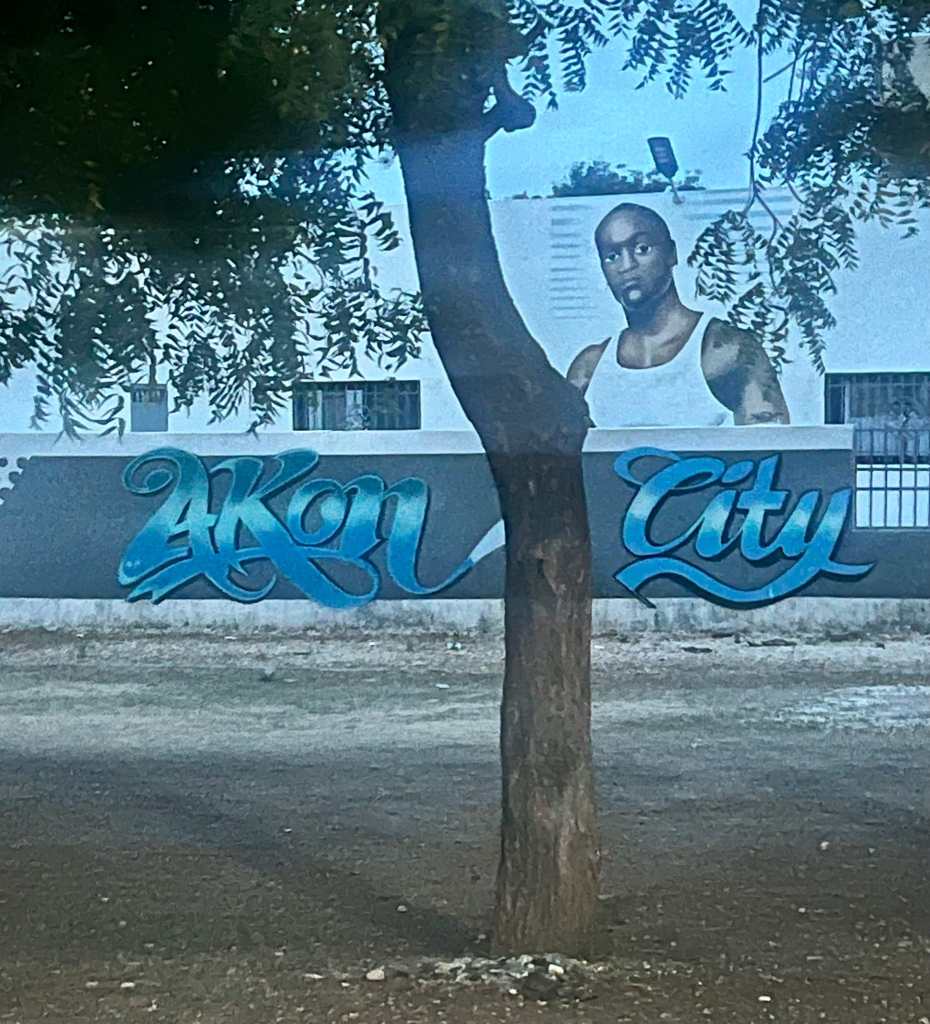
To growing communities like Akon City
The animal reserves and the need for preservation
How the Senegalese navigate traffic (lol)
The fact that if there is money to be made it does not matter how late in the night it could, folks will put in the work
That yummy Senegalese coffee and Bissap juice
I even got to practice my French!!
And the food, LORD HAVE MERCY…Having fresh seafood, fruits and veggies on a daily and bread that doesn’t make you feel heavy…It make sense why their skin is flawless and they barely look their age.
While yes there is a deep-seated history rooted in slavery, we still manage to come out on top! We do not have rest in the trauma and tragedy, there is light and it is shining bright!
I also appreciate how many of the locals, guides, and friends are not only welcoming but in some cases protective. It was as if I had never met a stranger. This first week has been such an inspiring time and I know our time in Ghana will just continue to build on that foundation. Even now just being able to reflect on my thoughts with the birds chirping in the background and a nice cool breeze, I’m definitely in my happy place with my people!
Confirming Moment: While taking in the day at a game reserve about 40 mins outside of Gambia, I got a chance to talk with an ornithologist and share my love for travel, especially within Africa. During our conversation, he asked me what I did and what brought me here. To which I replied I am a university professor and I love coming home. He then answered, “yes you are African…and your willingness, love, and excitement to visit proves just that without question.” Another definining moment to add to the bank! I needed to hear that when I did!!
Halfway through the first part of the journey!!
Week 1 is done and my cup runneth over! Thank you, Senegal my mind, body, and spirit are full.
The next post you see will be the second half of my #WestAfricanJourneyTravels in Ghana!! As always I look forward to sharing with you!
Day 6 of my #WestAfricanJourneyTravels visit was quite a full day but one that incorporates legacy and remembrance as well as a little hustle and bustle! By the end of the day, I was completely full and drained at the same time!
Alright my friends, let me drop this bit of information in the post before we go any further.
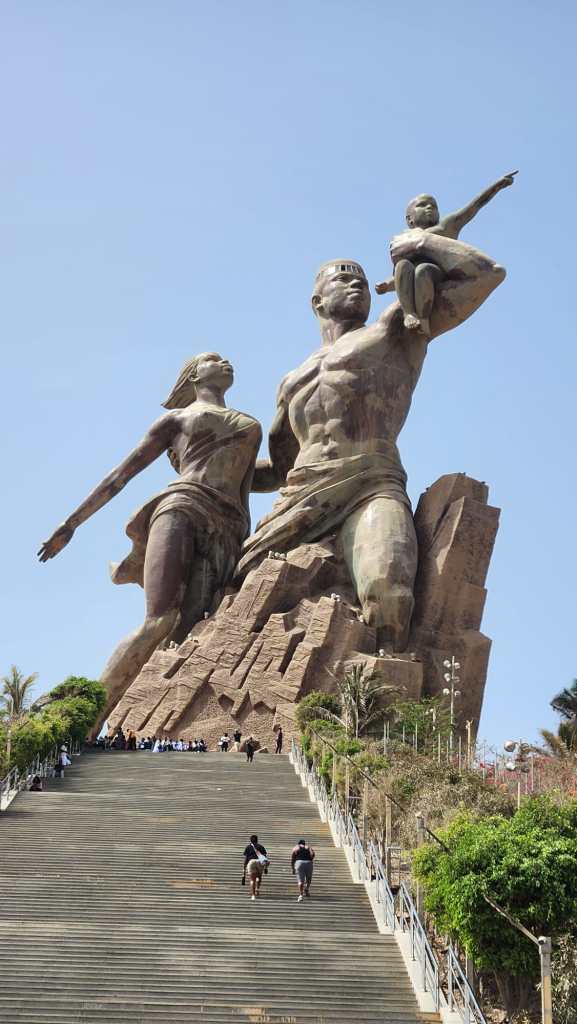
So the African Renaissance Monument is the second-tallest topped out structure in the world that you can go in (#1 is the Palais Royale in Mumbai, India and #3 is the Empire State Building in New York, United States), and the tallest statue in Africa
Overlooking the Atlantic Ocean, it is 52 meters tall (171 ft.) statue made completely of bronze and is located on top of one of the twin hills (Collines des Mamelles) outside of Dakar
Preparation began in 2006, construction in 2008, and completion in early 2010 with a formal ceremony on April 4, 2010…which is also Senegal’s “National Day” celebrating the 50th anniversary of their independence from France.
On the day of the ceremony, there would be 19 African heads of state present for the unveiling including the Presidents of Malawi, Benin, Cape Verde, Republic of Congo, Ivory Coast, The Gambia, Liberia, Mali, Mauritania, and Zimbabwe. There would also be representatives in attendance such as Jesse Jackson, Akon, and representation from North Korea. Truly a moment to show honor and unity.
Now before going inside you had two options of how to get in….climb the stairs or take a taxi going up the back entrance….You already know what I did, I took the stairs!! It was no small feat but one of my friends and I made the 198-step climb to the top in just under six and a half minutes (you can see us below). Talk about feeling accomplished.
The above pictures not only shows the stair path up to the top, but the actually monument itself is quite a sight to see. The creation of this project was initiated by the then Senegalese president Abdoulaye Wade and has been described as one of the most prestigious projects. Named the African Renaissance Monument, it served as a marker to usher in a new era of African Renaissance. It is a literal visual of moving from enslavement to renaissance. Now what you see is a family looking towards the sky (or one might say the future), the man is carrying his child on his bicep/arm and holding his wife by the waist. They have come from the depths of the earth and going towards new life. What an inspiring imagery and one that more people should know about. I will be honest I knew very little about the monument, but so glad that I made the journey to see live and in living color!!
Once inside visitors can see various videos showing the building process, acknowledgment to the “door of no return”, the history of enslavement and its global impact, the many gifts donated from numerous African countries, and at the top of the monument which is housed in the man head you can look out into the city. There were about 5 levels full of various gifts from many African countries, which was truly inspiring !! To see community building from near and far speaks to what can happen as a collective unit.
Door of No Return interpretation
Top view from the African Renaissance Monument
Quite a powerful structure and amazed at how much of a message is being conveyed! When looking at the woman in the monument she also offers an intriguing thought, particularly to her child in that even when looking to the future, don’t forget your past!
What I do find interesting is that everything surrounding the monument is either unfinished and/or underdeveloped. It makes you think this massive structure sits in a space where depending on your perspective it is either out of place or the start of something new and fresh.
To close out the day we went to a traditional Senegalese market to do a little shopping. Now let me just say this, I’m not one to haggle and negotiate. I have a price in my head of how much I want to spend and that’s the parameters I work with to get to the end goal. This is a wholesale marketplace, which means many vendors come here to get there supply and then go to their respective places and sell same said items, typically at a marked up price. The build had to have at least 5 levels, and talk about being overwhelmed, filled with anxiety, and willing to walk right out the door. But let me give a major shout out to our trip facilitator Dr. Kentaya Beeler (#TranquilityPathwaysTravel) who has the haggling game on lock!! I literally watched her find a specific vendor/seller, select her items, grab a seat, and the games began!! It was like watching a master at work, when she quoted a price that was what it was going to be, no ifs ands or buts about it. It takes a special skill to make the magic happen that she did. It was to a point that I became worn just watching it all unfold. I guess I am just used to going to a store finding the sale rack and making my purchase. Talk about being in awe! She was going toe to toe with these men and turning “water into wine.” And I thank her, because she definitely got me some EXCELLENT deals!! All in all, it takes a certain mindset to participate and take the necessary steps for some retail action.
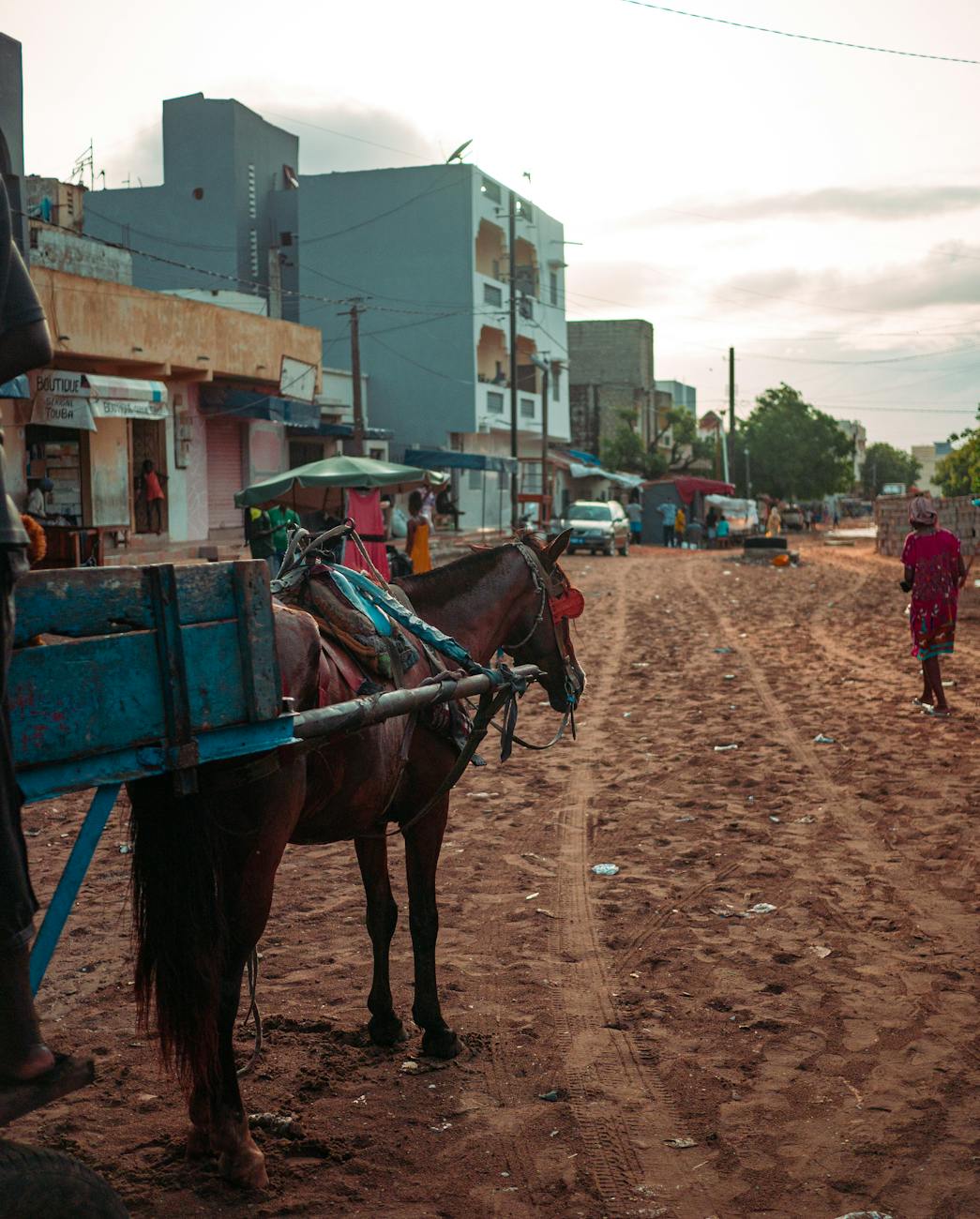
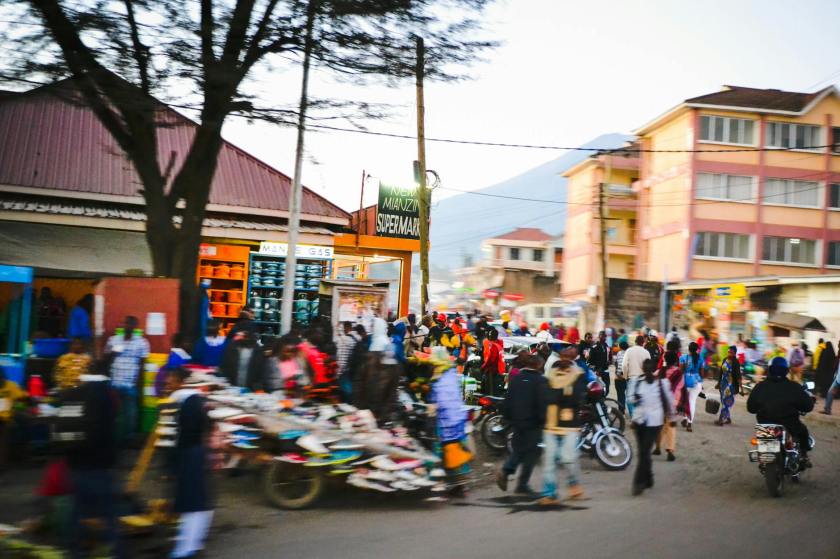
Sidenote: Once again traveling on these Senegalese streets is quite an adventure. I am still blown away by the way locals navigate the roads, whether in a bus like us, traveling on a motorcycle taxi, a bicycle, walking, or even horse and buggy. On MANY occasions I saw my life pass before my eyes. The fearless mentality is beyond my understanding. What I witnessed morning, noon, and night is aggressive driving to the tenth power!! And somehow there were no accidents….
All in all, while it was quite a long day especially when you factor in the travel, it truly did my spirit good!
Closing out the evening with a nice warm cup of Senegalese coffee…Mmmm good!!
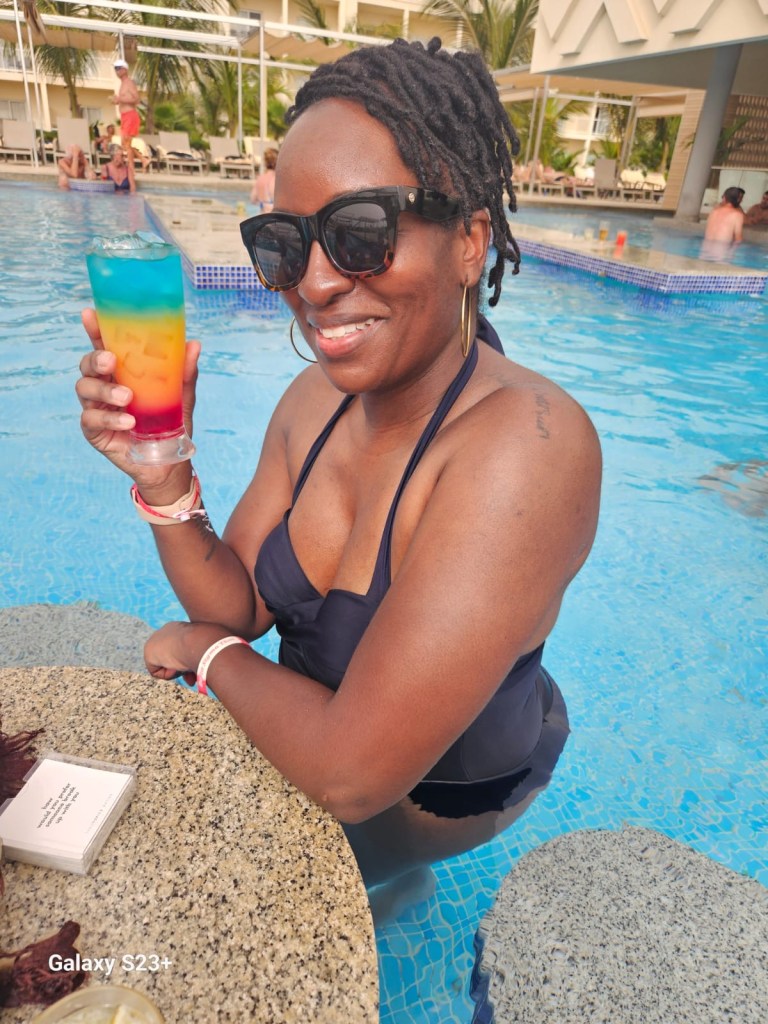
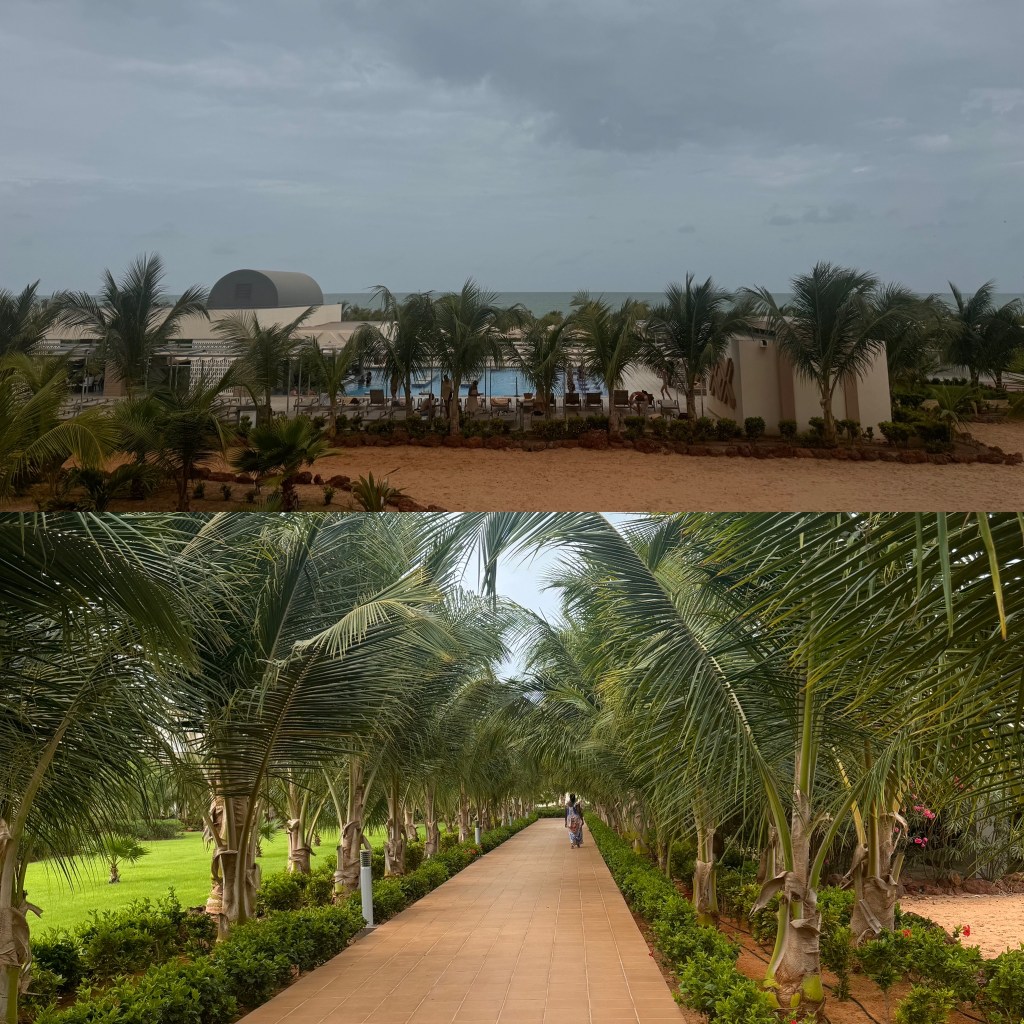
This was a much-needed day to rest and recoup, considering what we experienced the previous day. My mind, body, and spirit needed to recalibrate and not have to worry about anything for that day! For this day I took time to laugh with friends, sleep a few hours, hang out poolside at the resort, and contemplate the journey so far.
I will say this again, I am truly grateful and blessed to be able to have this opportunity to travel. Sometimes just escaping to somewhere far away is good for the soul.
Not too much to share for today, but as you can see below it was a good day!!
Dr. G on a rest day enjoying a “Bob Marley”
Just a few days left in Senegal!! See you all soon!! ~Dr. G
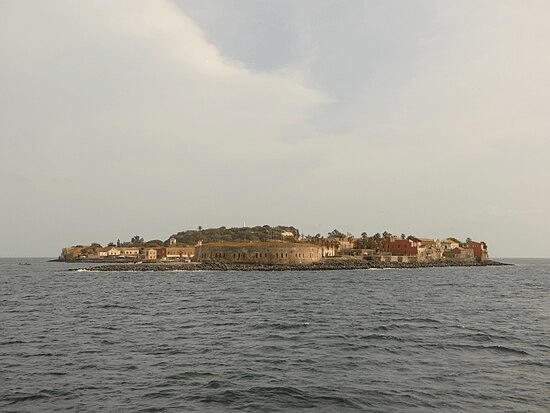
So I know it’s a little later than normal, but yesterday was quite a heavy day as we ventured across the waters to Gorée Island, which is an island off the coast of Senegal opposite of Dakar the capital city. A little background about Gorée Island:
Gorée was a central trading post especially for slavery as it would be the largest slave trading center on the African coast
Gorée was the name given by the French colonials which means dignity
Wolof is the primary language spoken on the island
The Gorée Island was designated a historic site in 1944, with safeguarding measures following in 1951, and then inscribed as a national heritage site protected by UNESCO in 1978
The first inhabitants came to the island in 1500 which were the Portuguese then the Dutch, and lastly France
The first Black man in the French Parliament was born on the island
Once the slave trade stopped on the island colonization would end as well
Now I knew going in that it would be a lot to take in so I prepared myself ahead of time, but even with preparation you still can never be fully prepared. To walk in the space, breathe in the air, literally go out of the “Door of No Return” I got chills up my spine, its a feeling you do not forget. As I was typing this up I had to pause several times because I got angry over and over, but I pushed through!!
Dr. G traveling on a barge boat to Gorée Island
Once again we had an OUTSTANDING guide, Mr. Diallo, throughout the island. In many ways he reminded me of a guide when I went to Robben Island in South African. His honesty and candor really made the experience complete. Trust me it is not an easy task, I almost wonder what this experience means for him, especially when the group of people are primarily African Americans. This is not just another excursion for us it is an opportunity to in many ways course-correct and carry forth the memories and voices of those who did make it past the raging waters. I get real sensitive about this because many want to minimize the stories and treatment, act as if the torture did not exist, or tell me it’s over now you are free you should be happy…however this is far from the case (but that’s another lesson for another day).
Our guide on Goree Island, Mr. Diallo providing a great deal of knowledge
Continuing forward, I appreciate the time and work that guides like Mr. Diallo take to tell these stories, because trust me they are not easy hear. And one thing that he would say that stuck with me for the entire trip was when he made the statement “apologize but never forget.” He would actually say this on more than one occasion (four times to be exact). So I am going to be frank here for a second, while I acknowledge the apologies that have come from various individuals, that is simply not enough. It is what you do after the apology that really is the true work and testament. Apologies can be dished out like pouring a glass of water, what are you going to do after that because an apology holds no weight if just left to fall to the ground. While I know everyone does want to travel to the continent (particularly African Americans), it is still necessary to be informed so that no one else can tell you our history and story.
Before going through the door of no return, you enter what is called the House of Slaves (La Maison des Esclaves), now get this on the top level the European traders would stay on the top level drinking and dining with each other, many times without their wives. As they would often be found raping many of the African women. Let’s keep in mind, that these activities also took place throughout the island, BUT in this particular space, it is even more disturbing.
House of Slaves (La Maison des Esclaves)
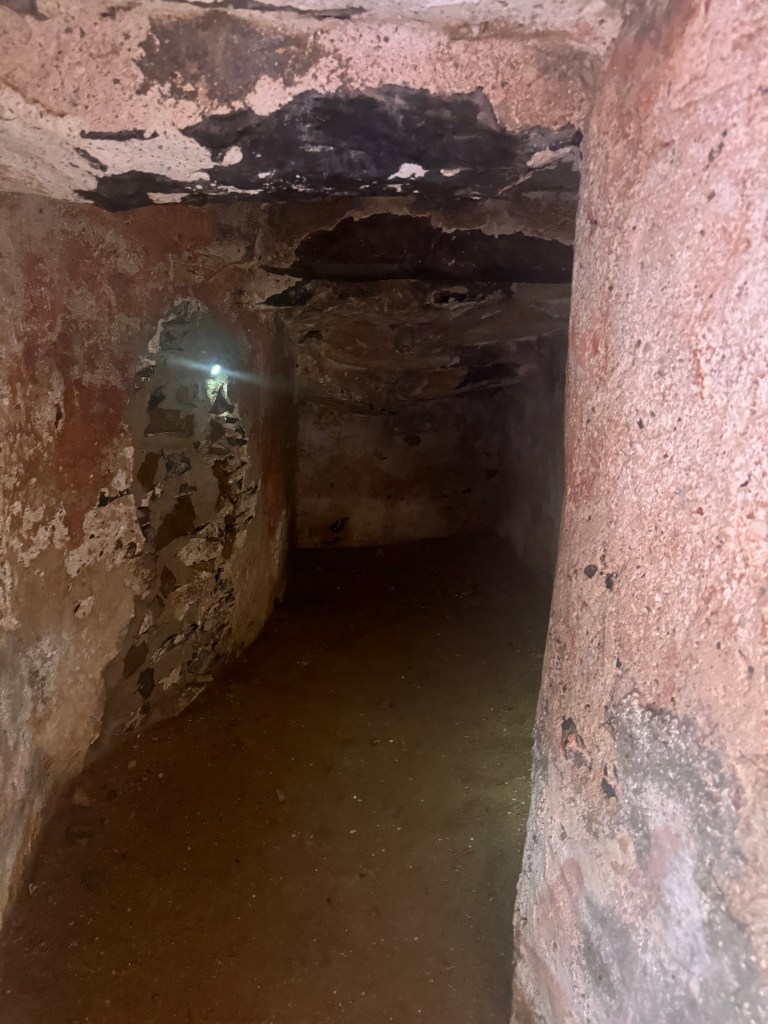
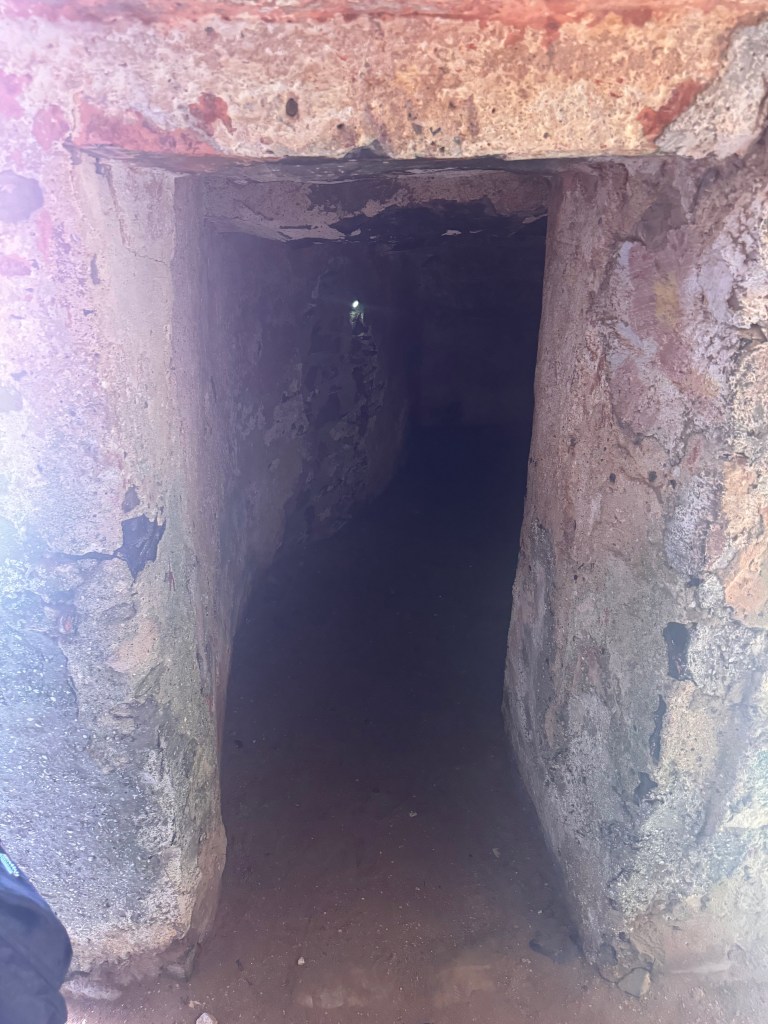
In this same building (that held at times 150 enslaved Africans) below you would find rooms with barely any light or window space made of stone that housed the enslaved Africans before they boarded them on the ships like cargo. In the rooms, they were fed so that they could be at least 60kg, if they did not make weight they were fed until they did. Now it’s not like these were hotel rooms with plush beds and a bathroom, no ma’am no sir…an open area that had a metal gate door. Some of the rooms which measured at 2.6 meters x 2.6 meters crammed as many as 30-40 children or 15-20 adults. I cannot even begin to imagine what that would do to one’s psyche. AND WHY?? How is that humane?But then again when you do not see anything wrong or you think Africans are less than….welp…Let me tell you, I’m claustrophobic and I know it would have been a wrap for me!!
Here’s the part of the narrative that took me even longer to process…Let me drop a number 6 MILLION…by 1848 that is how many had died and never returned to their homes in which they were taken…So MANY painful memories of the Atlantic slave trade are housed in this place, and while many people live and work on this island today it is still considered a major remnant of the slave trade.
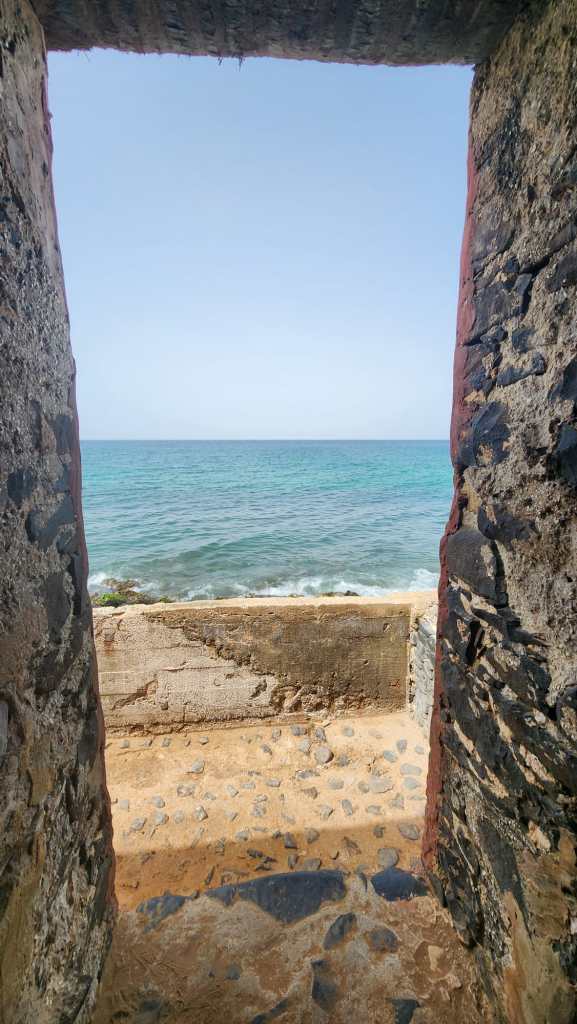
Looking out the Door of No Return
Just taking it all in… Mercy Mercy Me
Door of No Return…Looking out to the ocean…
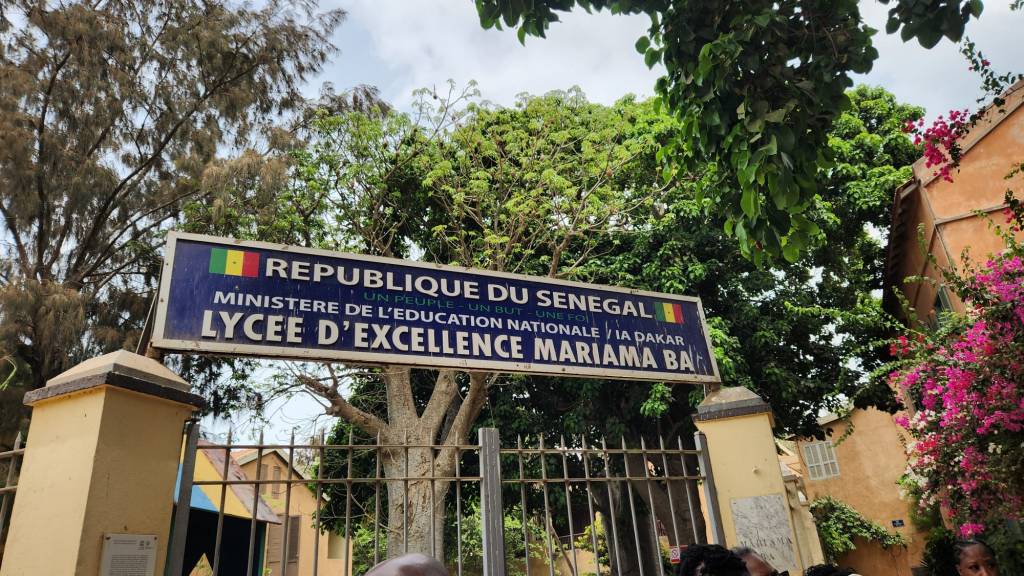
Even amid the enslavement horrors, there are glimmers of hope and success that can be found on the island. On a lighter note, I would learn of this particular boarding school Mariama Ba School of Excellence (pictured below) on the island which is one of the most prestigious schools in Senegal and dedicated to the education of young girls. The school was founded on the idea of Colette Hubert Senghor, the wife of Léopold Sedhar Senghor – the first Senegalese President following independence – who had been educated at the Legion of Honour boarding school in France. As a public boarding school it welcomes 250 young girls from 6th grade to 12th grade. Of that 35 girls are selected and brought to universities in the U.S., Canada, and Europe with a 100% success rate. A school exclusively dedicated to girls, the aim is to train “the country’s elite.” To learn more about the school see here!
Now hearing about this school warmed my heart and was a much needed pick me up!
On a side note, before I close out, let me tell these ladies who are selling their goods on the island take hustling to a whole new level! I have never been so overwhelmed and filled with anxiety, we barely could get through the tour with them right on our heels. And while I respect the hustle a part of me wanted to not be treated as a tourist and enjoy what the island had to offer…a rich history and many stories to tell.
With that said…Interestingly enough, despite the pain and trauma Gorée Island also serves as a place of respite and inspiration for many. For some, particularly us on this trip, the island is now a pilgrimage destination for the African diaspora, a bridge between the West and Africa, a space for exchange and dialogue between cultures, and a place for reconciliation and forgiveness. I will be honest I am personally still working on that last part.
Dr. G standing outside of the door of no return and looking to where my ancestors were once forced out to foreign lands (Gorée Island-Senegal)
Now while this day was filled with a lot of heavy emotions, I can say that in the end I truly hope that I am making my ancestors proud and staying dedicated to making sure their stories are not silenced. And if there is one thing I want folks to take away from this is that regardless of the torture, pain, and inhumane treatment, their voices will never be lost. The Atlantic Ocean carries the spirits and they refuse to be dismissed. And as long as there is breath in my body, conviction in my soul, and a desire to teach my ancestors and their journey will ALWAYS be a part of the global narrative.
Alright, good people! Until the next time, I will see you soon!! ~Dr. G
Another Fourth of July has made its way to us. Now folks that know me know, I’m not all for the traditional 4th of July celebrations. I am for the hanging out with family at a BBQ, watching homemade fireworks in the neighborhood, and enjoying a sunny day. This year I get to be in Senegal during the 4th, and in all all honesty I think it’s just perfect!! Regardless how you feel, just make sure you know/have as much info about the holiday as possible, because trust me there is plenty to learn!!
As a bonus, make sure to be on the look out for the daily post of my #WestAfricanTravelJourneys that will dive into what I did for the day!
And just to drop a little history and my own personal feelings/thoughts, check out a post I did discussing Frederick Douglass’ well-known speech, “What to the Slave Is the Fourth of July?”
You can also find the speech in its entirety here!
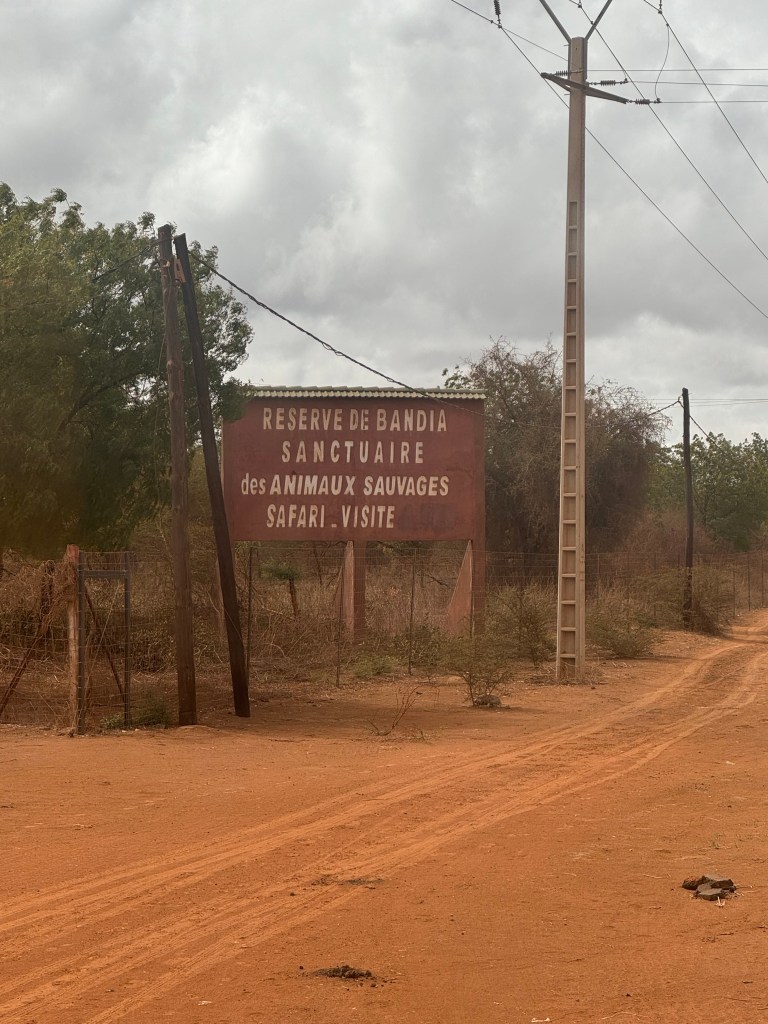
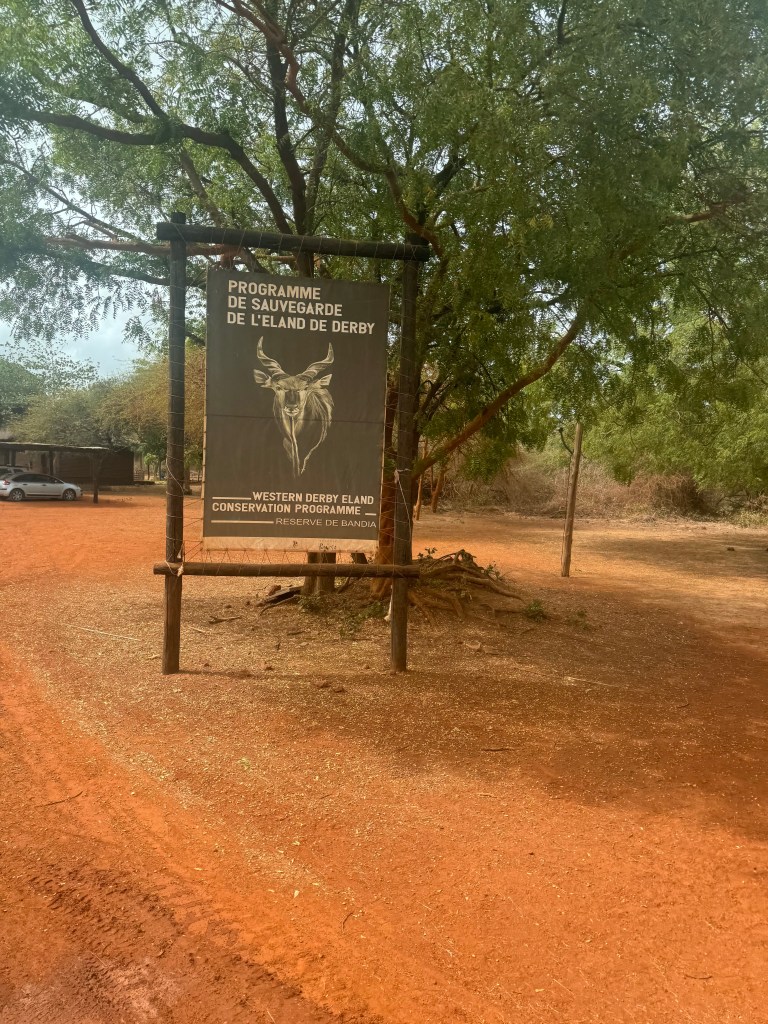
So on today’s agenda, we did an excursion trip to the Bandia Reserve (which is Senegal’s first private animal reserve) for a safari trip. And let me first start out by saying I really appreciate all of the different types of safari’s that I have done because each one provides a new experience. Oftentimes when one does a safari you are in the natural environment of the animals (basically their turf), so they are nearly as accessible. This is partly because it is survival of the fittest. This one in particular provided a chance to see many of the animals up-close and personal.
Our reserve guide Malat was definitely on point!! He had all the facts down to a tee!! And he even had a few tricks on how to find where the animals were throughout the reserve. I noticed throughout the drive he would always look at the ground. Come to find out instead of using a walkie-talkie or cell phone, he went old school and tracked them by their footprints.
Dr. G with our Reserve Guide Malat
Now here is what you’ve been waiting on for this post…A few of the animals, we got to see we either had a chance to have a heart to heart or a very close encounter, check it below:
Now these rhinoceros are what I like to think of as gentle giants until you mess with their food. For the most part, they mind their business, however, we would witness one literally scare off some antelope during its feeding time. The one monkey next to him somehow managed to stick around probably because he was less of a threat with its food.
Feeding time for the rhino
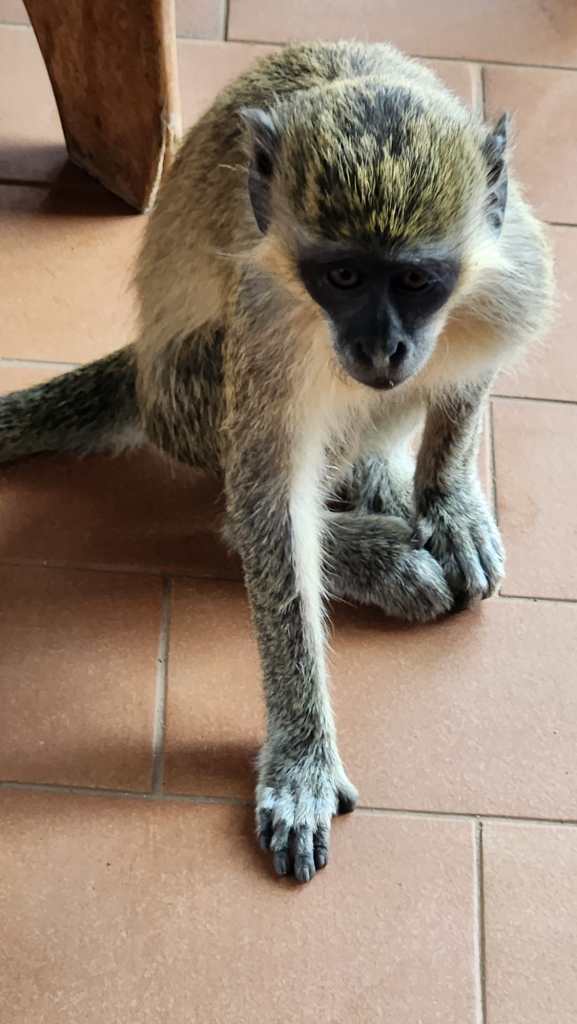
Let me tell you these monkeys have NO FEAR and will snatch your food in a heartbeat!! One snatched a slice of pizza and another a sugar sweetener packet!
Dr. G having a brief conversation with one of the monkeys on the reserve.
Now who all remembers Zazu from The Lion King? Well, we got to see him and let’s just say the movie did a great interpretation!
“Zazu” also known as a Red-billed Hornbill
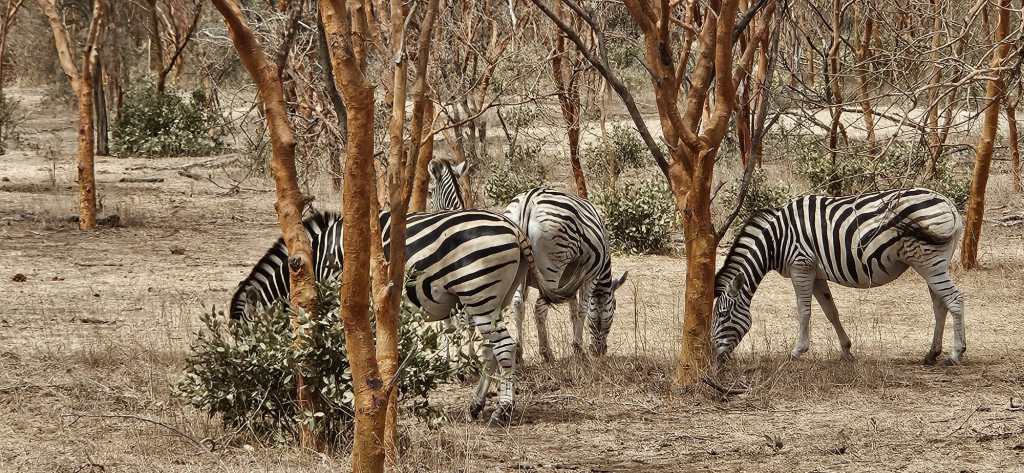
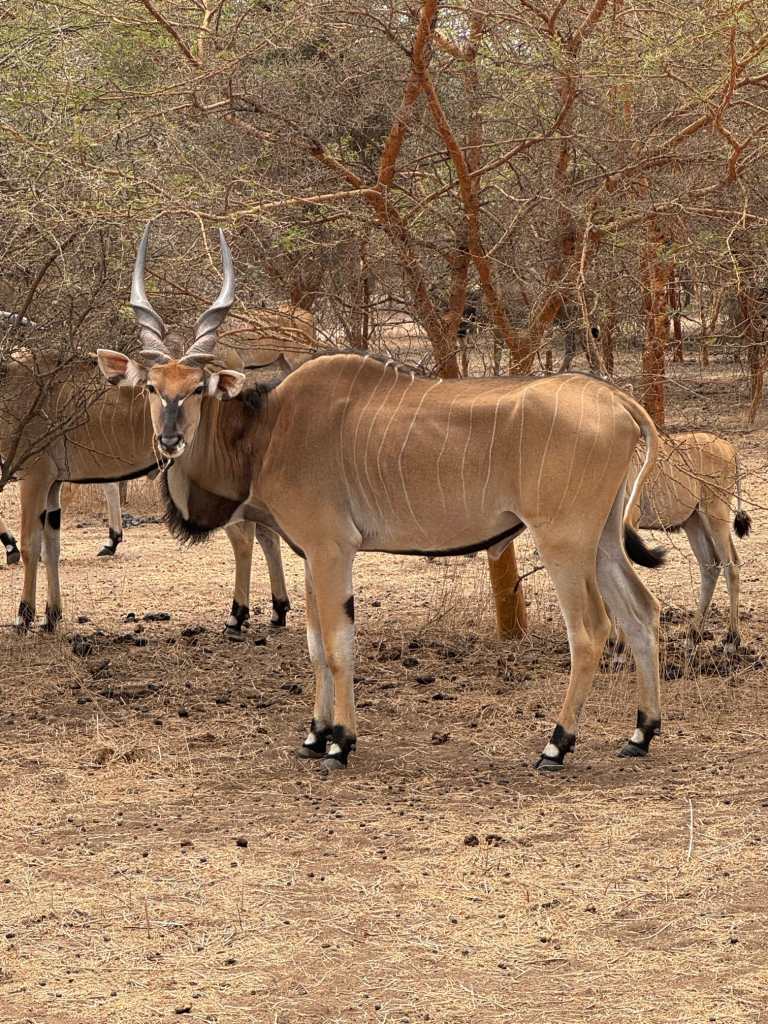
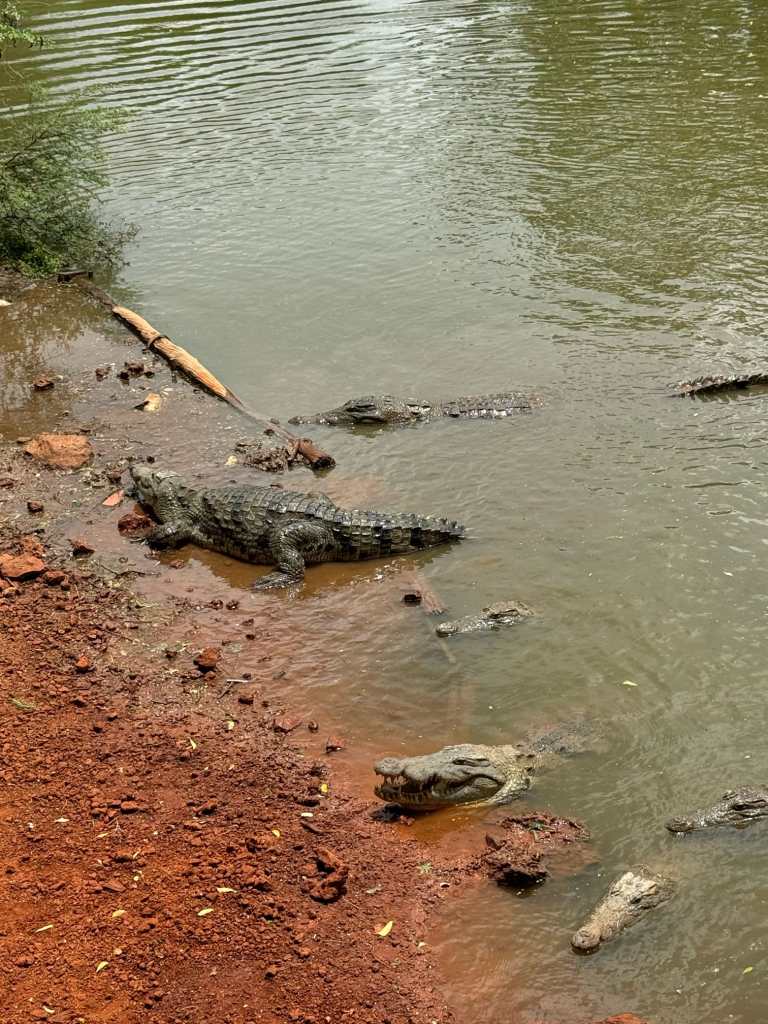
We also got to see zebra, various antelope, crocodiles, ostrich, impalas, warthogs, and giraffes, and more…
In addition to the animals, I would learn a great deal about the Baobab tree. Let me just say…WOW… these trees are some resilient forces of nature!! They are considered a central symbol of Senegal and some of them can hold as much as 10,000 liters of water during the rainy season. These fascinating creatures of nature can live up to 1500-2000 years old. Their roots are very shallow and even when they split or somehow break, they still manage to grow even if it is sideways.
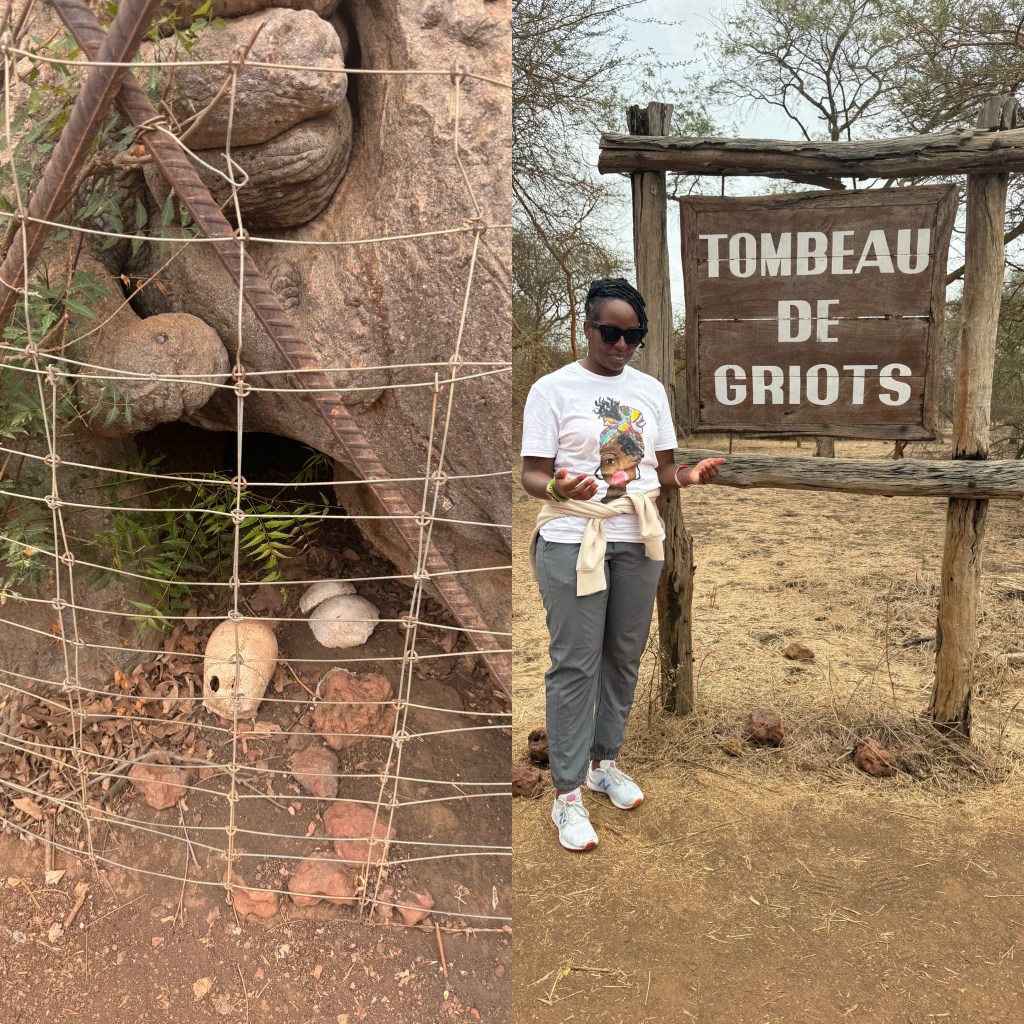
The above tree is a significant one as there have been over 600+ griots buried within this tree. Now you are probably asking what do you mean buried? It’s an extraordinary feeling to know that you are amongst a collective of storytellers who played a role in preserving the culture. Griots played a significant role in oral history making sure the stories are passed down through generations. They served as a vessel of resistance for those who were against certain religions and cultural traditions, and a way to push back against French colonization. If there was a problem in the community, the griots would facilitate some type of resolution and restore order. As a repository of knowledge it was only right that they would be buried inside a baobab [also known as the tree of life], that their history would live on just like the baobab tree.
The literal lived realities and collective journeys of ancestors can be found here. And you will see me repeat this alot, it is essential that all voices are heard, acknowledged, and recognized, especially those of the African diaspora. Far too long land and culture is stolen or erased. Thus, stories tied to the land become important. Our guide Malat would share with us that if a griot was buried under ground, there would be no rain. Sharing that in the 1960s, soon after Senegalese independence, the government imposed egalitarianism, this resulted in banning spiritual practices of burial, which forced Serer people to bury the griots underground. It is said that in the same year there was a drought. While I do not have complete/exact information on this, one can find a history of droughts causing major famines in the region throughout the 1960s.
Dr. G paying respects to the ancestors who have transitioned back to the roots.
Now you know I gotta drop some interesting facts for you:
While the official language of Senegal is French (due to French colonization) the most widely spoken language is Wolof. [All those years of French in K-12 and college paid off some :-)]
There are only 3 white rhinoceros in the entire country of Senegal and two of them (male and female) are housed in the Bandia Reserve (see above).
The Baobab tree not only can live practically numerous lifetimes, but also as sources of food, water, and health remedies. The roots and the fruits are edible, the leaves can be eaten as a relish, cooked in a sauce, dried and powdered, and can even be good for women and their lady parts.
The Bandia Reserve was established in 1987 and was 400 ha (hectares) [equivalent to 989 acres] and now it has grown to 3500 ha [approximately 8,649 acres]
Riding on some of the roads, I felt like I was back in Georgia looking at all the red clay dirt (see some of the above pics)…and once again it made sense why white colonizers took Africans to familiar environmental/ecological settings…While enslaved folks did not realize that was what was happening the traders definitely did!!
As the excursion came to a close there were a few things that I did find very interesting…
No one really uses GPS it’s as if everyone just knows where to go and how to get there
No stoplights, stop signs, or street signs…As a visual learner and driver, I could probably manage to a degree once I learn the places, but the initial learning would be the tricky part. Talk about Jesus take the wheel! Can you imagine just pulling out onto the road, merging in however you can fit in? I would be a nervous wreck, but I guess if I were living there I would probably become a very aggressive driver.
There is a certain level of kindness that I saw in some of the people we encountered on today, just very chill , relax, and calm. Much like in Tanzania, the people here in Senegal embody a “Hakuna Matata” spirit.
This trip so far has further confirmed that I need to invest in some property abroad, quick and fast!! And what better place than in Africa!
As I close out for the day just wanted to share this joyful moment when some of the folks on the trip got a chance to purchase these AMAZING looking mangoes. And you would not believe the price… depending on the weight one could purchase 3 mangoes for what would be the equivalent of $1.60. Let’s just we would not even come close to getting that in the U.S. Gotta love supporting the local vendors. And don’t worry, I will check in with them and let you know how they taste.
Local street vendor selling mangoes
Oh and speaking of money here is some of the currency that you would find in Senegal:
Just a little bit of the West African CFA franc ($1.00 is equal to roughly 610 CFAs)
While the value may not be the same as the American dollar, the aesthetic (particularly African currency) is so much more appealing!!
Day 4’s post is going to be a heavy one, as we will be traveling to Goree Island which from the 15th to the 19th century was the largest slave-trading center on the African coast. It’s going to be a day that I will definitely have to further process and it will probably stick with me throughout the trip. But like Maya Angelou once said, “And Still I Rise!”
Olá!! That’s Portuguese for Hi! Alright, Alright, Alright!! I’m back ya’ll did you miss me! So before hit the continent we had an extended layover in Lisbon, Portugal and let’s just say wow!!! Now I have visited quite a few European cities but this one definitely stands out even with the short visit! As the capital city it provides a nice balance of old and new, filled with endless charm. It offers everything from delicious food, yummy coffee, stunning architecture and rich history. So let’s jump in it…
Now I love a good background story/lesson about the places I visit and this one was no exception! Lisbon in particular features beautiful buildings, especially churches and cathedrals:
Igreja de São Domingos–Church of St. Dominic
Now the above church holds a great deal of history. At one time the largest church in Lisbon and considered a national monument has gone through tremendous stress and destruction. It would be damaged by two earthquakes one in 1531 and the worst of the two in 1755, which almost completely demolished it! While rebuilding began quickly it was not complete until 1807. It also served as a site for many Portuguese royal weddings and executions.
Also, in the 16th century, a group of Black men known as the Black Free Brotherhood would gather here and fellowship, this is essentially the center of the Black religious brotherhood in Lisbon. Not surprisingly this is information that was once hidden from view, however, the church has a deep connection to the city’s African population.
So unfortunate yet not surprising, how people forget to acknowledge the presence of Black folks and that many were actually free men who integrated into society, held jobs, and were respected by many. If you travel to the Cais do Sodré neighborhood you can find a tangible record of enslaved and free Black people who were doctors, shipbuilders, journalists, salesmen, and so much more! While many were stolen from their homeland of Africa, it is not as though they were empty vessels. Their skills, talents, and knowledge are ingrained within the history.
Just a last photo moment to sink in…for many of our enslaved ancestors a staircase like this was the beginning of a new place that they had no idea would change the trajectory of the world. An arrival like no other…
This will become even more clear in Senegal and Ghana…
Lisbon CathedralSt. Anthony of Lisbon (also St. Anthony of Padua)
Now the Lisbon Cathedral (pictured above) also provides a deep history as it is the most important cathedral in Lisbon and is also where the Bishop of Lisbon is housed.
Let’s just say religion and Catholicism are pretty major here!!
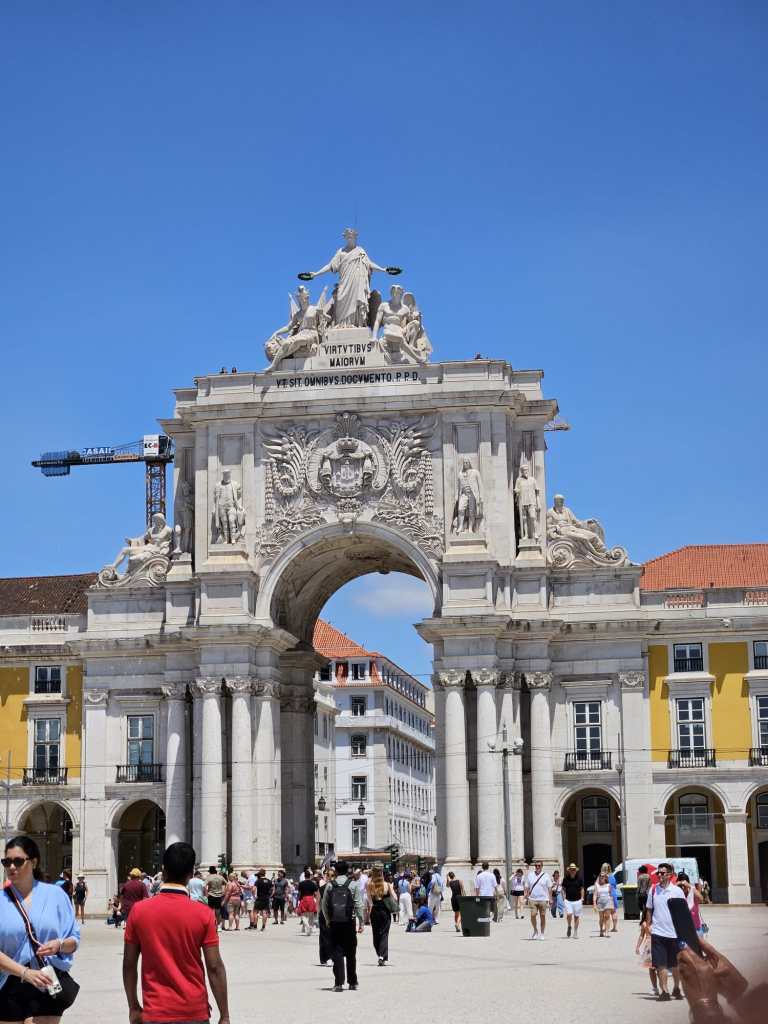
Here are a few more city sights:
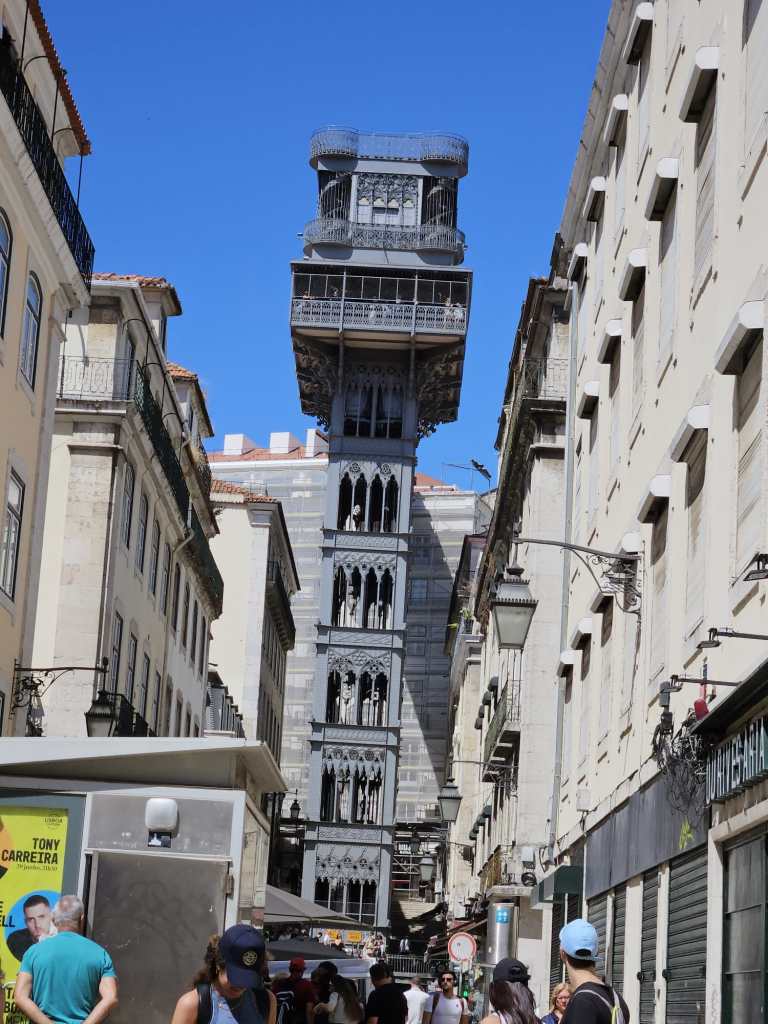
This elevator was built in 1902 by students of Gustave Eiffel who was the engineer who designed and built the Eiffel Tower.
A couple more history facts:
I would realize that while most folks are very familiar with U.S. slavery, much of what we have seen, read, and maybe even endured has deep roots specifically in Portuguese enslaved culture. I never can get over what happened to so many of my ancestors, as a matter of fact I will never forget!!
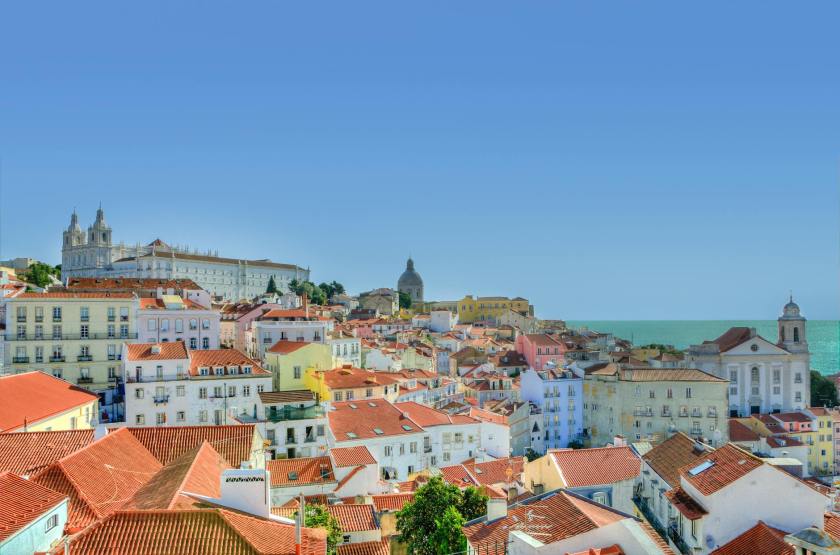
One of the oldest neighborhoods in the city of Lisbon is Alfama, and it was founded by the Moors. This would be a place that would introduce Africa’s history, roots, and connections with so many people.
Port of Lisbon/City Center: The third largest port in Portugal that opens onto the Atlantic Ocean with unique positioning to other parts of Europe and North Africa. As the center of slavery for Portugal, Lisbon was a bustling space for trading goods and bodies. Beginning in 1444, the Atlantic slave trade would see Portuguese traders in large numbers bringing some of the first enslaved people.
In 1526, Portuguese mariners would bring the first load of African slaves to Brazil and the Americas. This enslavement and forced conversion ultimately expanded into Africa as well (we all know about colonization). Most folks do not realize the substantial role of the Portuguese, sometimes outdoing the French, Dutch, and British.
And to make things more problematic enslaved folks would be baptized before they were shipped connecting back to the justification of enslavement was less cruel due to the incorporation of Christianity.
While Portugal definitely played a major role in the slave trade, its beginnings would be due to religion. The majority of folks in Portugal in the early 1400s and even today practiced Catholicism, and if you did not partake, you would be put in bondage. Many of us know that religion was used to justify slavery, but how about it being used against you.
There is a very complex relationship between the Moors and Portugal whether it was regarding trade ties or the Portuguese Christians were forcing the Islamic Moors to convert. Many of the Moors that would come to Portugal suffered the consequences of being enslaved and forced to convert. And in some cases, enslaved folks (in this case Slavic slaves) received better treatment! (see above fact)
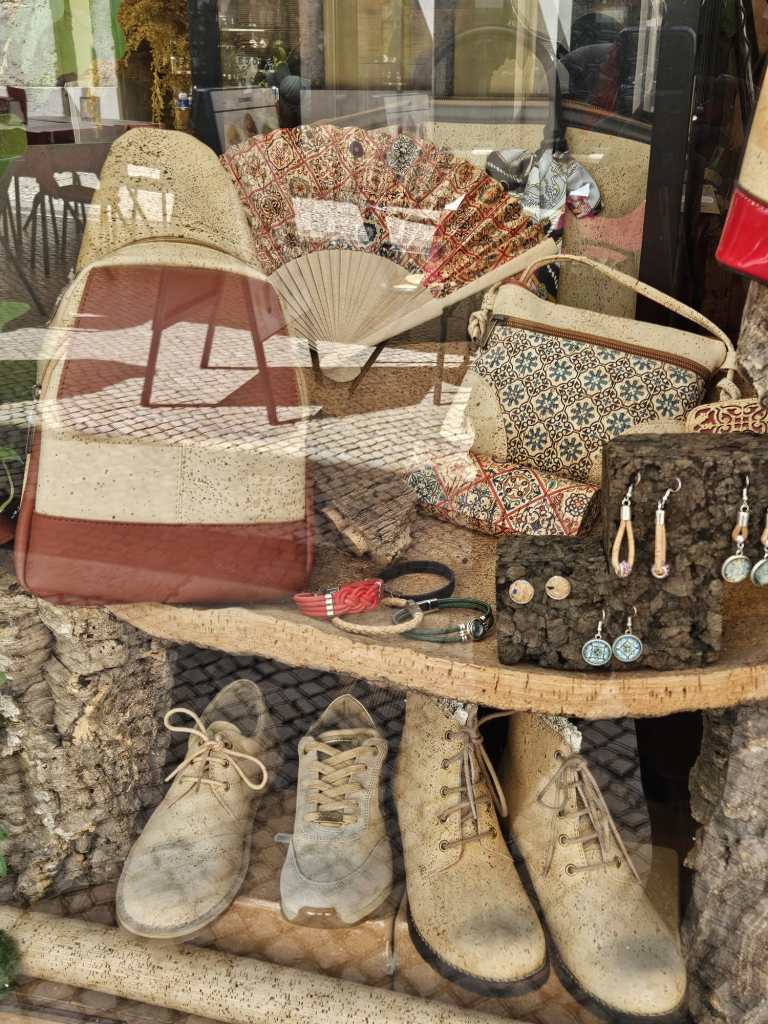
Fun Fact: Lisbon is the largest producer of cork (that’s why they drink so much wine) 🙂
The Portuguese Flag: On the flag, if you zoom in there are five blue shields that represent the five wounds of Christ, seven castles in red and green outlined in yellow that represent the 7 villages that were conquered by the King…the green portion of the flag was added to distinguish the flag from the old royal standard which was a solid red background
Now I will say it is a walkable city but you just have to keep in mind the cobblestones and the MANY MANY MANY hills. At some points we would take a lift/elevator just to shave off 10 mins from walking up a hill. If one thing is for certain, your calves will be on point!! In many ways, the city reminded me of San Francisco, the narrow streets and trolley/train cars:
Lisboa city views very reminiscent of the San Francisco-Bay Area
Now you cannot go anywhere and not try the food…What is Portugal known for? In general it’s seafood, which is music to my ears!! I was in second heaven!! One thing in particular that is a favorite is bacalhau or salted cod. There is no shortage of this staple at all!! Other Portuguese staples include:
Pasteis de Bacalhau: cod fritters
Polvo à Lagareiro: octopus with olive oil and potatoes
Bifana: a traditional Portuguese sandwich that comprises a bread roll filled with marinated pork cutlets
For dessert, the famous pastéis de nata these delectable little custard cakes are sure to give you the right amount of sweetness! Originally sold by a monastery with a recipe that has never been shared. To this day, only a few people know it and those that do must sign a non-disclosure agreement.
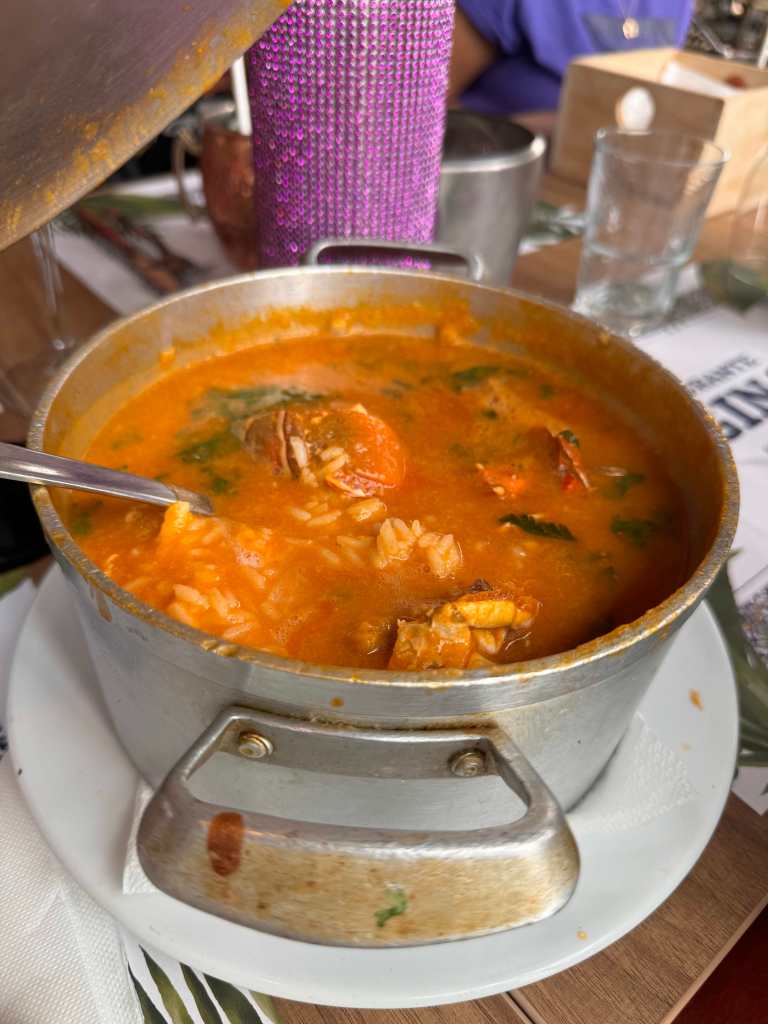
In addition to the above I would be able to try a popular dish that reminded me of a seafood stew and few other foods to make your mouth water, these dishes came from Restaurante A Gina:
Lobster-Seafood Stew
Salami, Muenster cheese, and ProsciuttoLamb chopsFresh mixed salad
It was also pretty cool to see ALDI and Lidl in Lisbon as well, as these are definitely popular in the US, especially in Richmond where I am based. To be honest, they are even more fancy than ours and spread out throughout the city. According to one of our local drivers they are pretty much the main go-to grocery stores outside of the markets!!
So my closing thoughts for Portugal, I would love to come back and truly explore Lisboa and the country as a whole. From the brief time we were here, I can see why this place has become a safe expat haven for U.S. citizens. There is so much history, food, and wine 🙂 that I need to dive into!! Just wait for me, I’ll be back!! Until next time Até logo (see you later!)
DAY 2
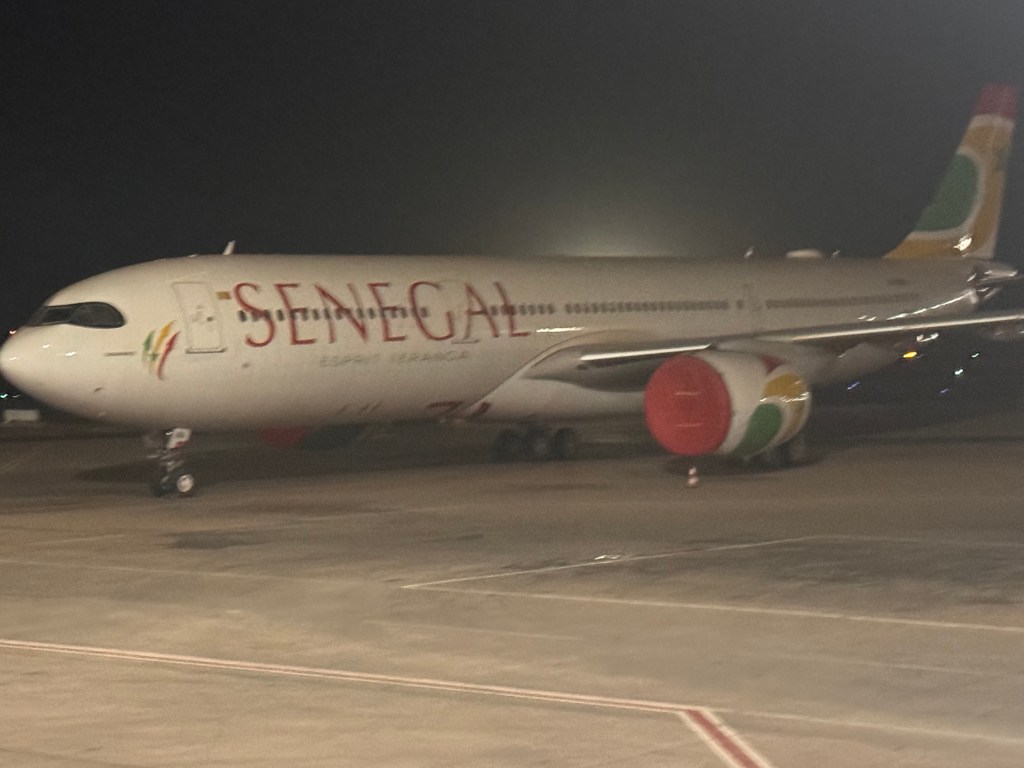
We have landed in Mama Africa…Senegal to be exact!!
Now while this is Day 2, it is officially the first day in the homeland! Considering the long flights and layover, and the busy city tour our first day in Senegal is a day of rest and relaxation.
Here are a few highlights:
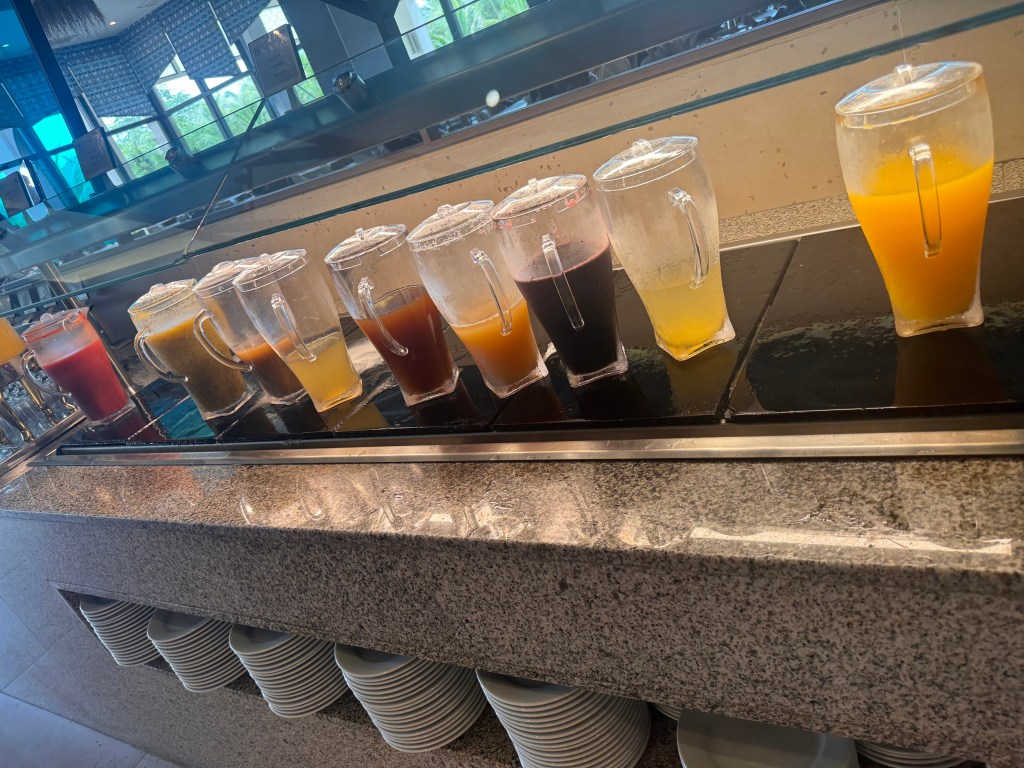
An array of fresh fruit juices as I went to get breakfast!!
I will say Senegal is already starting off on a good note, so it can only get better!!
































 Black Future Feminist