


I’m back with another day of adventure!!
So on today’s agenda, we did an excursion trip to the Bandia Reserve (which is Senegal’s first private animal reserve) for a safari trip. And let me first start out by saying I really appreciate all of the different types of safari’s that I have done because each one provides a new experience. Oftentimes when one does a safari you are in the natural environment of the animals (basically their turf), so they are nearly as accessible. This is partly because it is survival of the fittest. This one in particular provided a chance to see many of the animals up-close and personal.
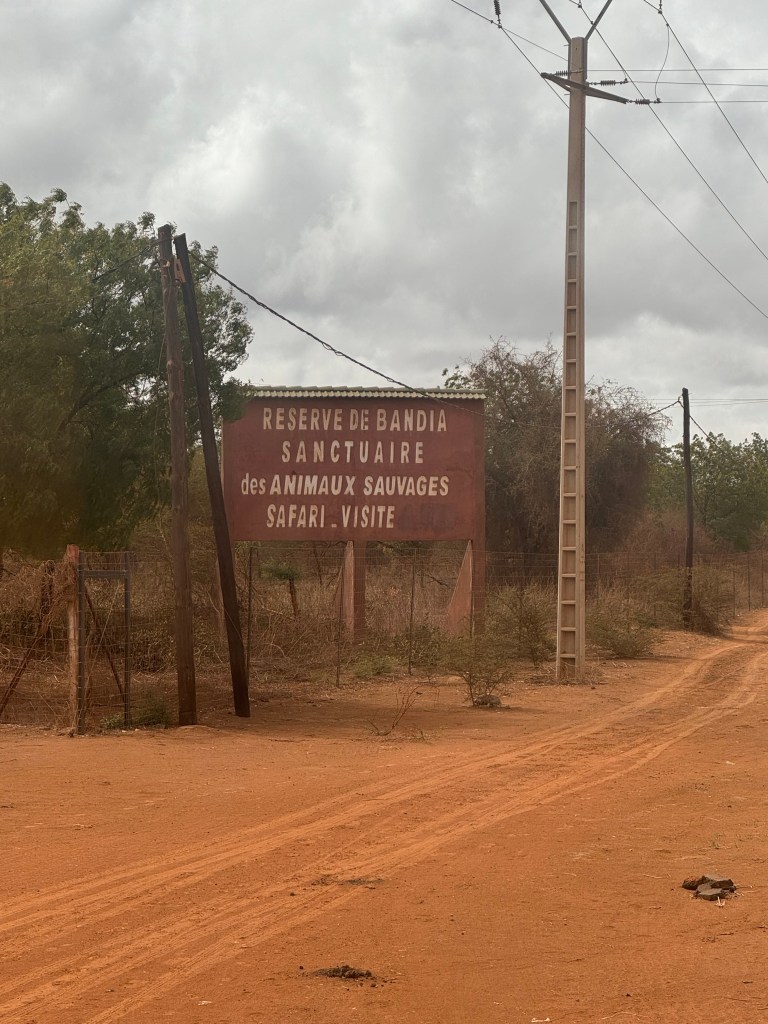
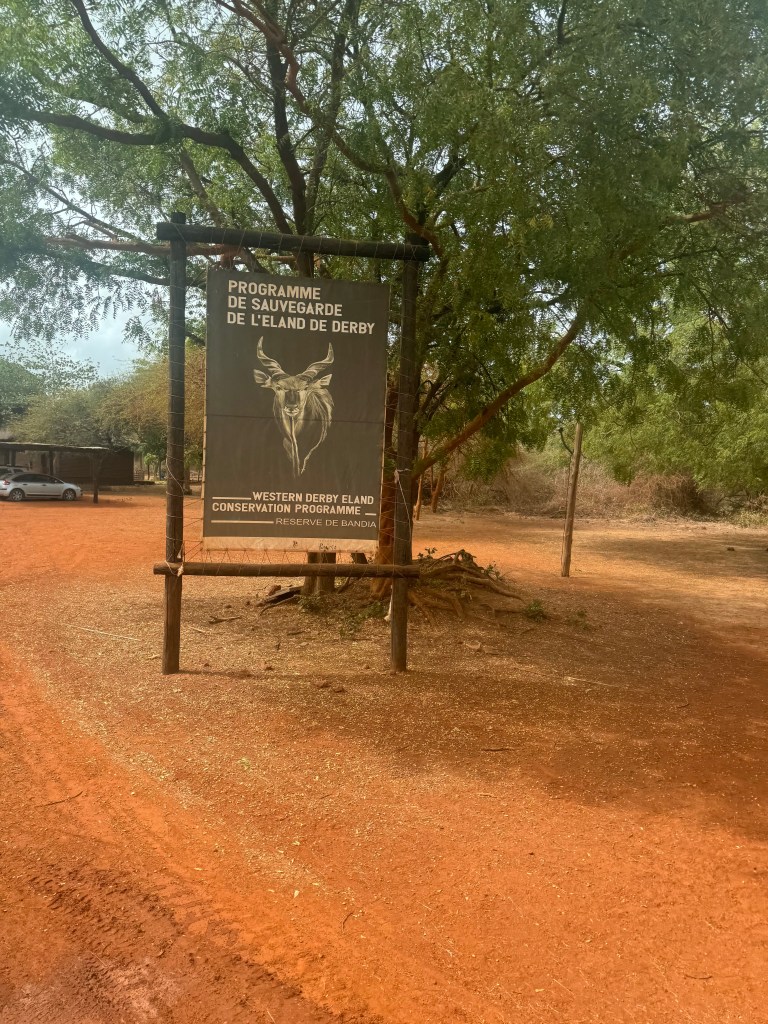
Our reserve guide Malat was definitely on point!! He had all the facts down to a tee!! And he even had a few tricks on how to find where the animals were throughout the reserve. I noticed throughout the drive he would always look at the ground. Come to find out instead of using a walkie-talkie or cell phone, he went old school and tracked them by their footprints.

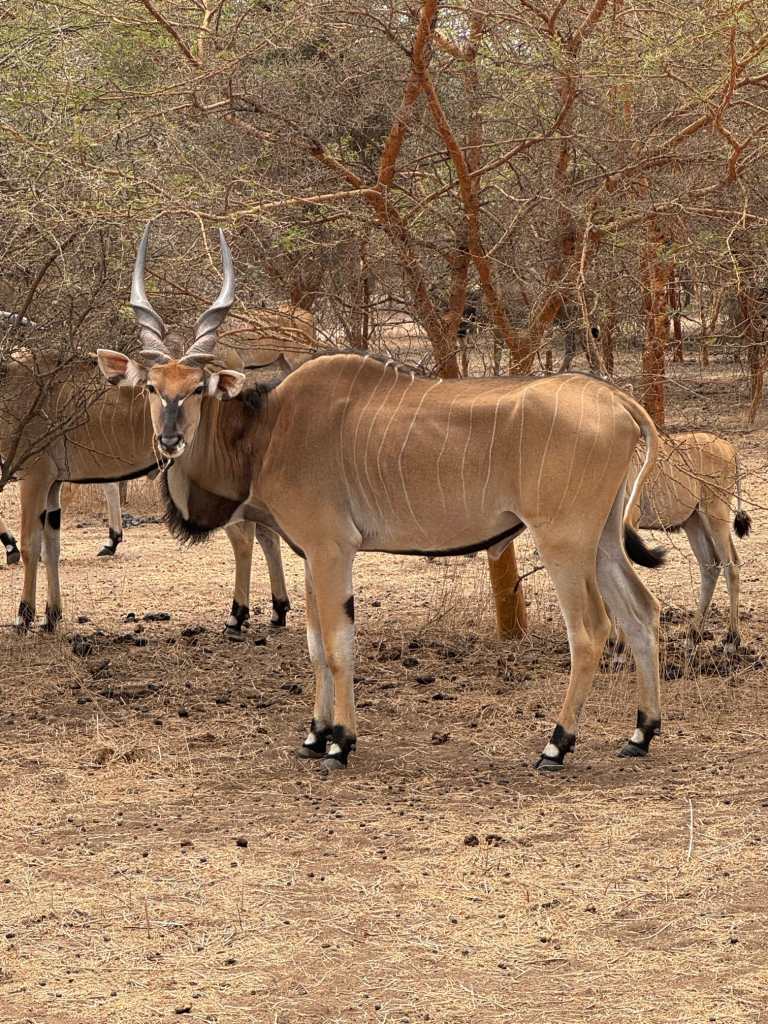
Now here is what you’ve been waiting on for this post…A few of the animals, we got to see we either had a chance to have a heart to heart or a very close encounter, check it below:
Now these rhinoceros are what I like to think of as gentle giants until you mess with their food. For the most part, they mind their business, however, we would witness one literally scare off some antelope during its feeding time. The one monkey next to him somehow managed to stick around probably because he was less of a threat with its food.

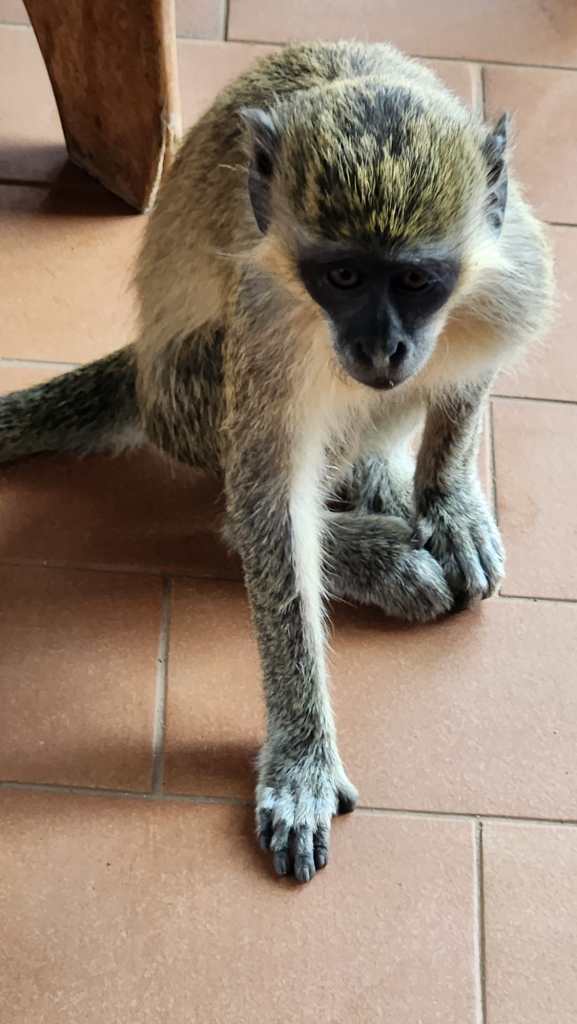
Let me tell you these monkeys have NO FEAR and will snatch your food in a heartbeat!! One snatched a slice of pizza and another a sugar sweetener packet!


Now who all remembers Zazu from The Lion King? Well, we got to see him and let’s just say the movie did a great interpretation!

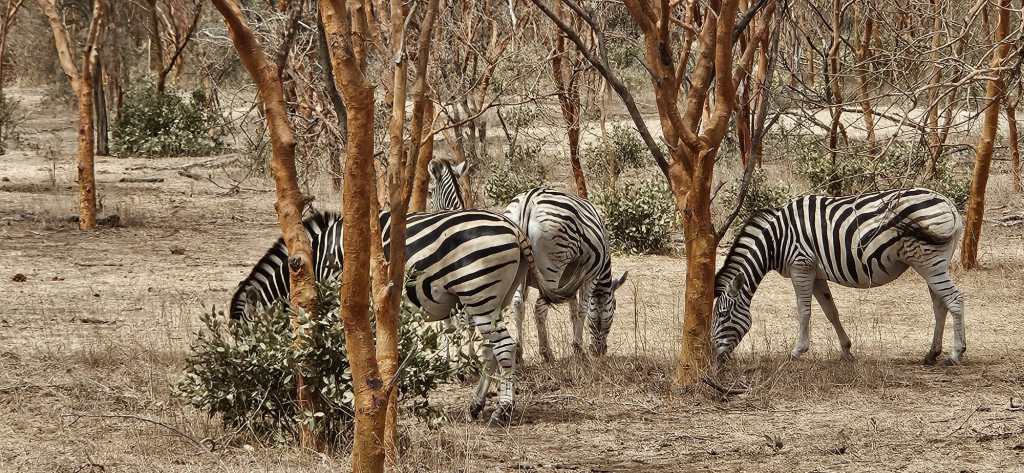
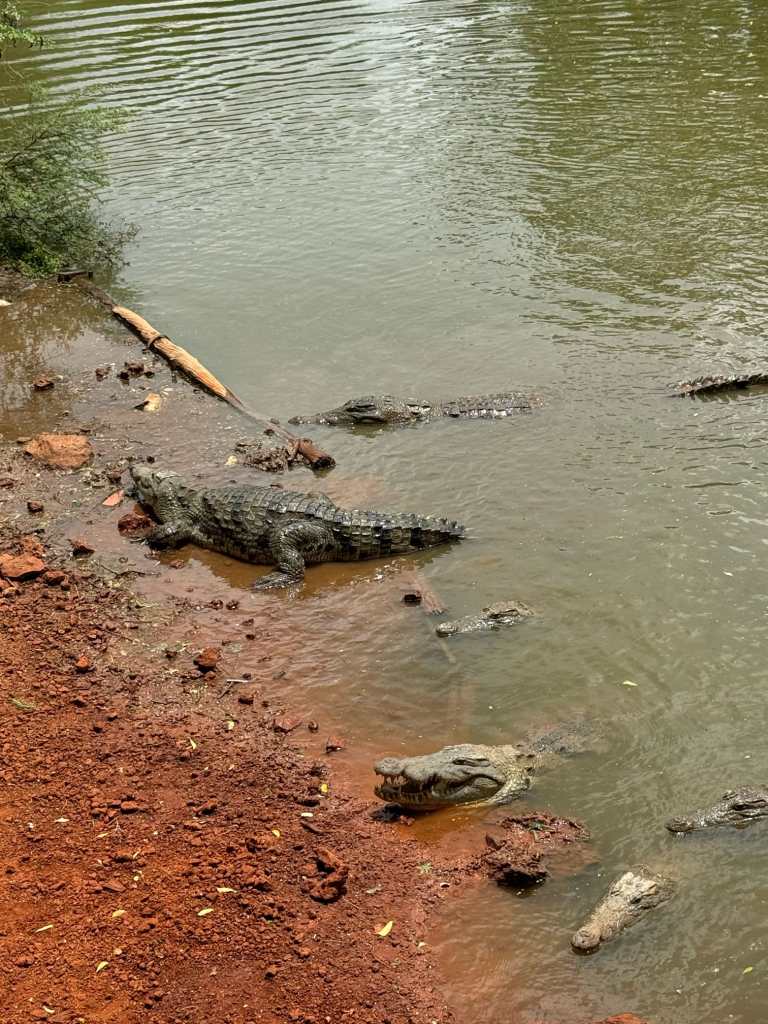
We also got to see zebra, various antelope, crocodiles, ostrich, impalas, warthogs, and giraffes, and more…


In addition to the animals, I would learn a great deal about the Baobab tree. Let me just say…WOW… these trees are some resilient forces of nature!! They are considered a central symbol of Senegal and some of them can hold as much as 10,000 liters of water during the rainy season. These fascinating creatures of nature can live up to 1500-2000 years old. Their roots are very shallow and even when they split or somehow break, they still manage to grow even if it is sideways.

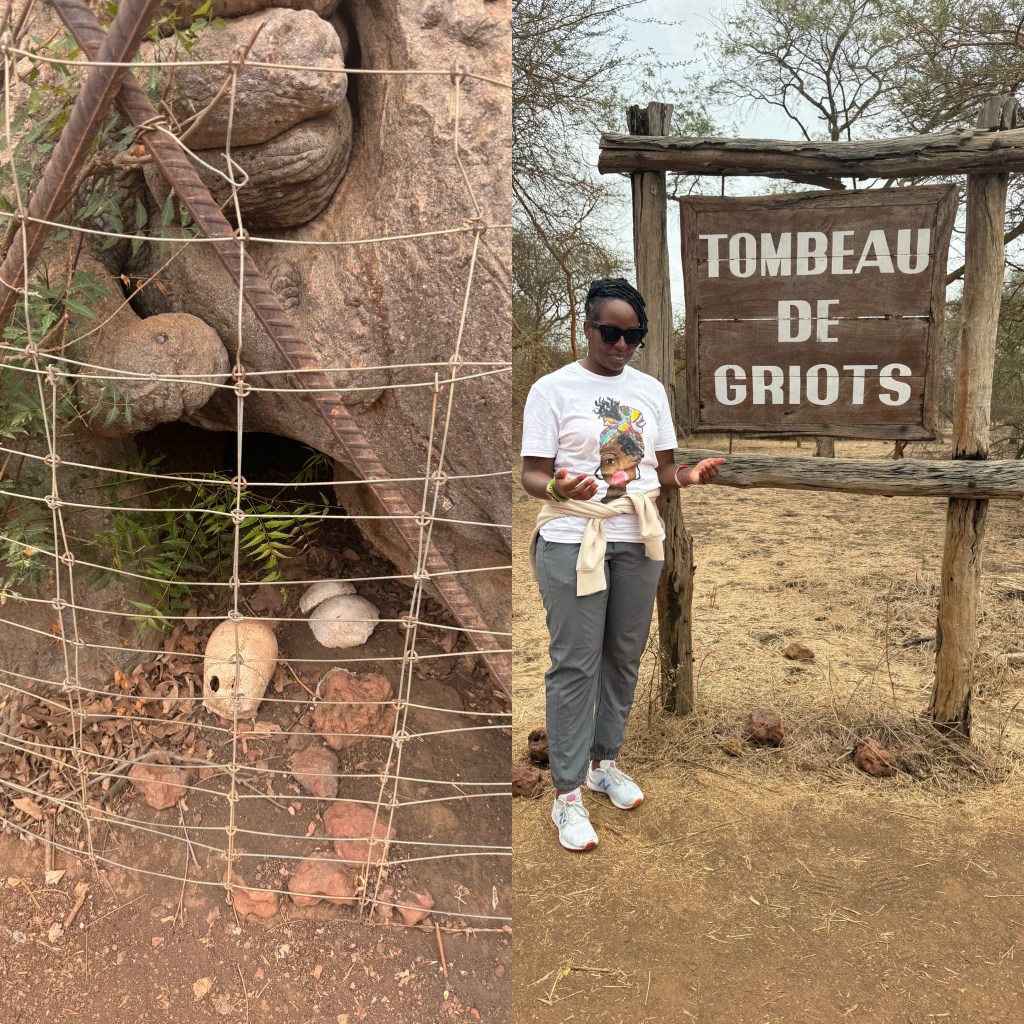
The above tree is a significant one as there have been over 600+ griots buried within this tree. Now you are probably asking what do you mean buried? It’s an extraordinary feeling to know that you are amongst a collective of storytellers who played a role in preserving the culture. Griots played a significant role in oral history making sure the stories are passed down through generations. They served as a vessel of resistance for those who were against certain religions and cultural traditions, and a way to push back against French colonization. If there was a problem in the community, the griots would facilitate some type of resolution and restore order. As a repository of knowledge it was only right that they would be buried inside a baobab [also known as the tree of life], that their history would live on just like the baobab tree.
The literal lived realities and collective journeys of ancestors can be found here. And you will see me repeat this alot, it is essential that all voices are heard, acknowledged, and recognized, especially those of the African diaspora. Far too long land and culture is stolen or erased. Thus, stories tied to the land become important. Our guide Malat would share with us that if a griot was buried under ground, there would be no rain. Sharing that in the 1960s, soon after Senegalese independence, the government imposed egalitarianism, this resulted in banning spiritual practices of burial, which forced Serer people to bury the griots underground. It is said that in the same year there was a drought. While I do not have complete/exact information on this, one can find a history of droughts causing major famines in the region throughout the 1960s.
Now you know I gotta drop some interesting facts for you:
- While the official language of Senegal is French (due to French colonization) the most widely spoken language is Wolof. [All those years of French in K-12 and college paid off some :-)]
- There are only 3 white rhinoceros in the entire country of Senegal and two of them (male and female) are housed in the Bandia Reserve (see above).
- The Baobab tree not only can live practically numerous lifetimes, but also as sources of food, water, and health remedies. The roots and the fruits are edible, the leaves can be eaten as a relish, cooked in a sauce, dried and powdered, and can even be good for women and their lady parts.
- The Bandia Reserve was established in 1987 and was 400 ha (hectares) [equivalent to 989 acres] and now it has grown to 3500 ha [approximately 8,649 acres]
- Riding on some of the roads, I felt like I was back in Georgia looking at all the red clay dirt (see some of the above pics)…and once again it made sense why white colonizers took Africans to familiar environmental/ecological settings…While enslaved folks did not realize that was what was happening the traders definitely did!!
As the excursion came to a close there were a few things that I did find very interesting…
- No one really uses GPS it’s as if everyone just knows where to go and how to get there
- No stoplights, stop signs, or street signs…As a visual learner and driver, I could probably manage to a degree once I learn the places, but the initial learning would be the tricky part. Talk about Jesus take the wheel! Can you imagine just pulling out onto the road, merging in however you can fit in? I would be a nervous wreck, but I guess if I were living there I would probably become a very aggressive driver.
- There is a certain level of kindness that I saw in some of the people we encountered on today, just very chill , relax, and calm. Much like in Tanzania, the people here in Senegal embody a “Hakuna Matata” spirit.
- This trip so far has further confirmed that I need to invest in some property abroad, quick and fast!! And what better place than in Africa!
As I close out for the day just wanted to share this joyful moment when some of the folks on the trip got a chance to purchase these AMAZING looking mangoes. And you would not believe the price… depending on the weight one could purchase 3 mangoes for what would be the equivalent of $1.60. Let’s just we would not even come close to getting that in the U.S. Gotta love supporting the local vendors. And don’t worry, I will check in with them and let you know how they taste.

Oh and speaking of money here is some of the currency that you would find in Senegal:

While the value may not be the same as the American dollar, the aesthetic (particularly African currency) is so much more appealing!!
Day 4’s post is going to be a heavy one, as we will be traveling to Goree Island which from the 15th to the 19th century was the largest slave-trading center on the African coast. It’s going to be a day that I will definitely have to further process and it will probably stick with me throughout the trip. But like Maya Angelou once said, “And Still I Rise!”

See you all soon!! Hope you all are enjoying the journey so far, and feel free to leave a comment below!! ~Dr. G






 Black Future Feminist