

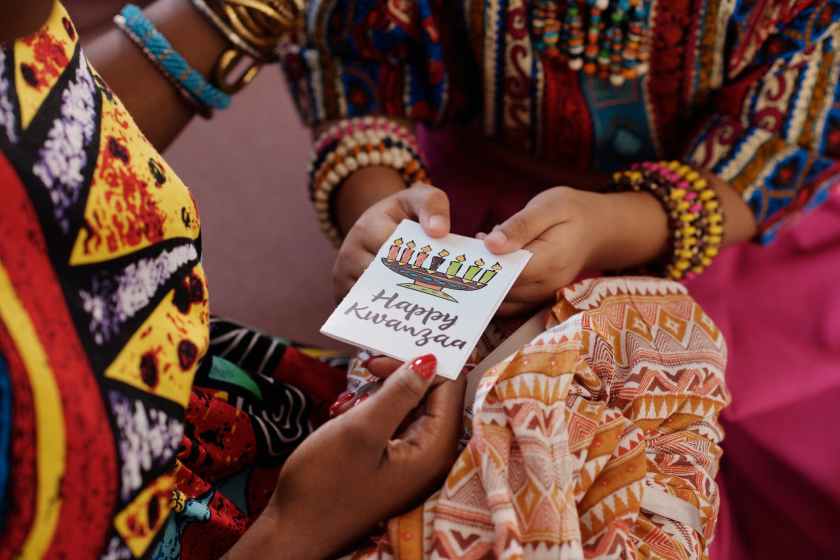
Ahhhh one of my favorite times of the year!!
Habari Gani!! We have come to that time of year again, a time to celebrate an annual tradition of family, community, and culture!! So you ask what time it is…It’s Kwanzaa Time !!
Kwanzaa is an African American and pan-African holiday that celebrates family, community, and culture. Created in 1966 by Dr. Maulana Karenga, a professor of Africana/Black Studies it’s a 7-day cultural festival beginning on December 26th and ends January 1st. Kwanzaa comes from the phrase matunda ya kwanza, which means “first fruits” in Swahili, an Eastern African language spoken in countries including Kenya, Uganda, Tanzania, Mozambique and Zimbabwe. Karenga wanted a way to bring African Americans together to remember Black culture.

While Kwanzaa is primarily an African American holiday, it has also come to be celebrated outside the United States, especially in the Caribbean and other countries where there are large numbers of African descendants. It should also be noted that Kwanzaa is not a political or religious holiday, and is not considered to be a substitute for Christmas.
During this holiday celebration, families and communities “organize activities around the Nguzo Saba” (The Seven Principles):
- Umoja (Unity)
- Kujichagulia (Self-Determination)
- Ujima (Collective Work & Responsibility)
- Ujamaa (Cooperative Economics)
- Nia (Purpose)
- Kuumba (Creativity)
- Imani (Faith)
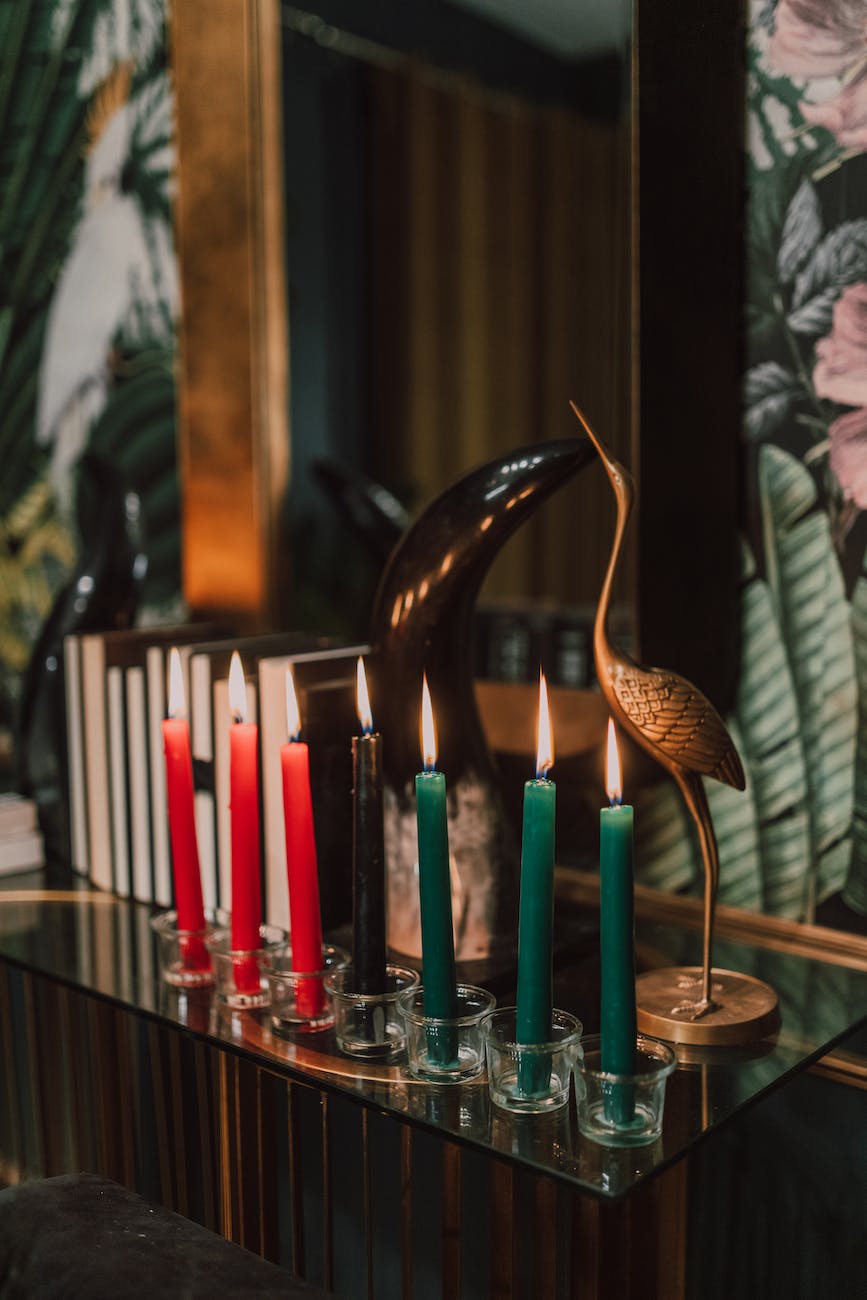
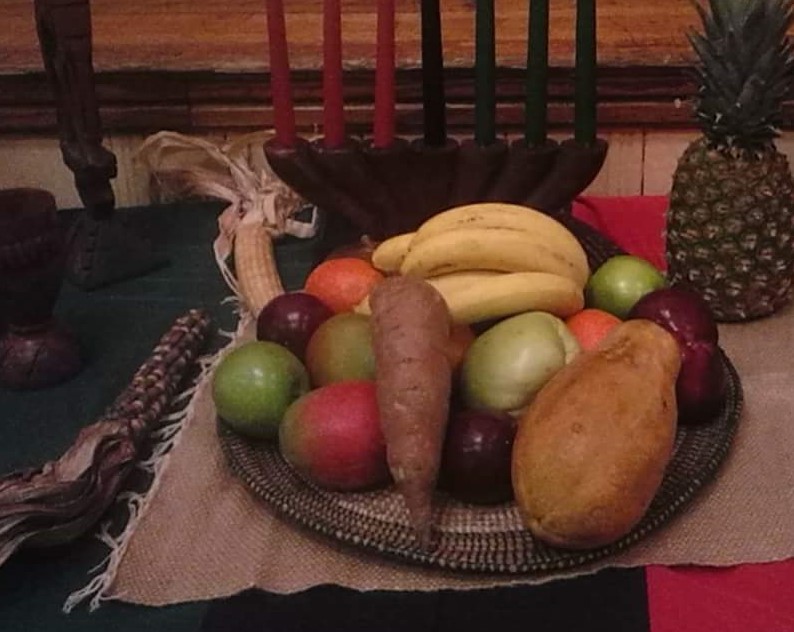
In addition to the seven principles there are a total of nine symbols (in Swahili and English) that make up Kwanzaa:
- Mazao (The Crops): These are symbolic of African harvest celebrations and of the rewards of productive and collective labor.
- Mkeka (The Mat): This is symbolic of our tradition and history and therefore, the foundation on which we build.
- Kinara (The Candle Holder): This is symbolic of our roots, our parent people — continental Africans.
- Muhindi (The Corn): This is symbolic of our children and our future which they embody.
- Kikombe cha Umoja (The Unity Cup): This is symbolic of the foundational principle and practice of unity which makes all else possible.
- Mishumaa Saba (The Seven Candles): These are symbolic of the Nguzo Saba, the Seven Principles, the matrix and minimum set of values which African people are urged to live by in order to rescue and reconstruct their lives in their own image and according to their own needs.
- Zawadi (The Gifts): These are symbolic of the labor and love of parents and the commitments made and kept by the children.
- Bendera (The Flag): The colors of the Kwanzaa flag are colors of the Organization Us, black, red and green – black for the people, red for their struggle, and green for the future that comes from their struggle. The Bendera is based on the national flag given to us by the Hon. Marcus Garvey, with slight adjustments in order and interpretation of the colors made in the 1960s along with many African countries.
- Nguzo Saba Poster: The Nguzo Saba poster or some form of the written Nguzo Saba should always be a part of the Kwanzaa set. For it is these Seven Principles which give Kwanzaa its core and seven days of cultural focus.
Each symbol “represents values and concepts reflective of African culture and contributive to community building and reinforcement.”
During this Kwanzaa celebration, I look forward to sharing a little knowledge on each principle and what you can do to take part in this welcoming tradition!! Make sure you stay tuned!!

Today’s principle is UMOJA which means UNITY!! What are you doing today to strive and maintain unity in our families, communities, nations, and the world!! #UMOJA #Celebration #Affirmation
How you can embody UMOJA today is by being kind to your sisters and brothers in order to help keep your family and community strong and happy?!
For more information check out the following links:
- “The Black Candle” Documentary
- Official Kwanzaa website
- Explore Kwanzaa with NMAAHC
- Why The 7 Principles of Kwanzaa Matter
To get you in the Kwanzaa spirit check out this playlist below:








 Black Future Feminist